Should you offer mobile credentials to residents?



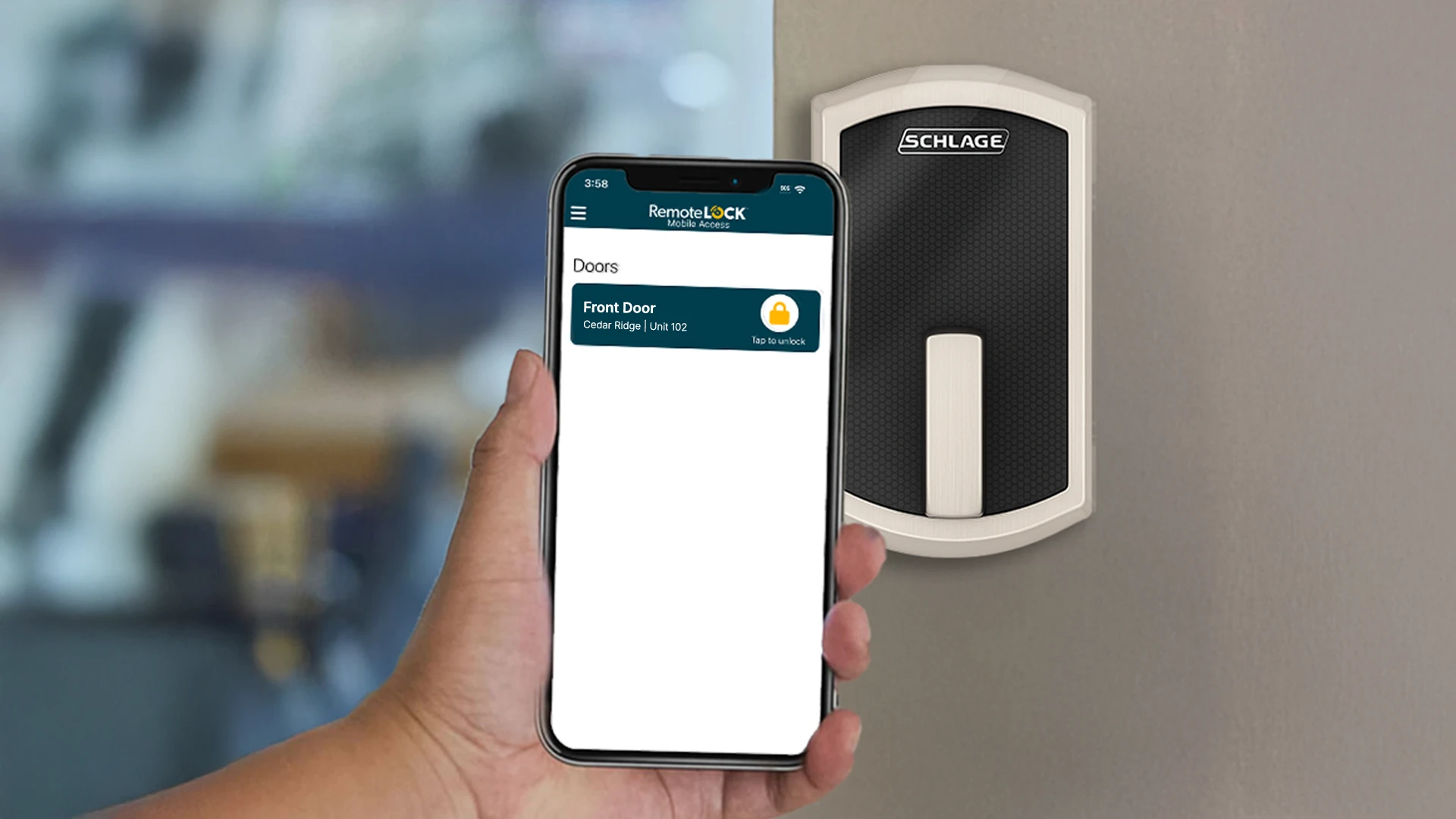
Mobile credentials are steadily making their way into multifamily access strategies. As more residents expect digital convenience, offering access via smartphone can set a property apart. But before fully committing to this technology, it's worth examining both the pros and cons. Here's what to consider if you're thinking about adding mobile credentials to your access control options.
Pro: impossible to share credentials
One of the biggest advantages of mobile credentials is that they tie access to a specific device, making it nearly impossible for residents to share access with unauthorized individuals. Unlike a PIN code that can be passed around or even posted on a sticky note, a mobile credential is tied to an authenticated app login. That translates into tighter security, reduced liability, and clearer audit trails.
Con: smartphones sometimes run out of battery
Even the best technology can fail when it relies on something as unpredictable as a phone battery. Residents who forget to charge their phones might find themselves locked out, leading to increased calls to property management. While a good access policy often includes a backup credential option, such as a PIN or key card, relying solely on mobile access can create friction when devices fail.
Smarter multifamily operations start here
Get the latest on resident apps, access automation, and tools to streamline your property in your inbox.
Pro: residents already use their phones for everything
From banking to food delivery, the smartphone has become a resident's go-to tool for daily life. Adding mobile credentials to that ecosystem can improve the resident experience by streamlining entry to units, amenity spaces, and parking garages. RemoteLock's integrations with Schlage and other supported hardware let property managers deliver mobile credentials directly to a resident's device for easy, app-based access.
Con: not all residents are tech-savvy
While many residents will appreciate the convenience of mobile credentials, others may be hesitant to download and navigate another app. Older residents or those without smartphones may require alternative access methods, meaning property managers must support multiple credential types. A flexible platform like RemoteLock allows you to offer a mix of PINs, mobile credentials, and key cards so no resident is left out.
Pro: credentials can be issued and revoked instantly
Lost key fobs and shared PINs can pose a security risk. With mobile credentials, managers can instantly issue or revoke access from the RemoteLock dashboard. This feature is especially useful for automating move-ins and move-outs, as well as adjusting access for residents who change units or staff who leave the property.
Con: Wi-Fi isn't always available at the door
Some properties may not have consistent internet access at every entry point. That used to be a barrier for mobile credentials, which traditionally relied on cloud connections. But RemoteLock now supports mobile credentials for Schlage Control's offline locks and other hardware, allowing residents to tap into this digital convenience without requiring property-wide Wi-Fi.
Pro: better visibility into access events
Mobile credentials create reliable, traceable logs of every entry. If a resident claims they never received a package or maintenance was missed, property managers can check access events for clarification. That level of insight not only resolves issues quickly but also adds an extra layer of security and accountability.
Con: credential management can get complex
Offering multiple access types means more choices for residents, but it can also mean more complexity behind the scenes. Fortunately, RemoteLock simplifies this with a centralized dashboard that allows managers to control every credential type from one platform. Whether you’re overseeing a handful of units or a large portfolio, mobile credentials become part of a streamlined access strategy.
The verdict: flexibility wins
There’s no one-size-fits-all solution when it comes to property access. But mobile credentials are becoming an increasingly valuable part of a modern multifamily property’s toolkit. With RemoteLock, you can offer mobile credentials alongside PINs and key cards, all from the same intuitive platform. That way, you meet residents where they are—whether that’s holding a phone, a key card, or both.
Upgrade Your Property
See how RemoteLock works for multifamily
Explore solutions built for apartments, resident access, and property-wide operations.

RemoteLock has been automating access control and improving on-site property operations efficiencies across multiple industries, including vacation rental and multifamily, for more than ten years. As a leading access-centered property operations software platform provider with more than 10,000 customers in 75+ countries, RemoteLock helps property managers enable, control, and automate access and climate control across their portfolio. RemoteLock’s platform saves property managers time and money through the elimination of tasks for onsite staff and helps scale businesses with greater confidence. It is differentiated by its dozens of integrations with applicable hardware and business software systems for an easy-to-use, turn-key solution.
Access that Works Everywhere
One flexible platform built to support modern properties, no matter who needs access or how your portfolio scales

Interested in learning more?
Explore blogs, webinars, and videos related to what you just read

When the internet drops, your guest still needs to get in
Access that matches the schedule, not the other way around
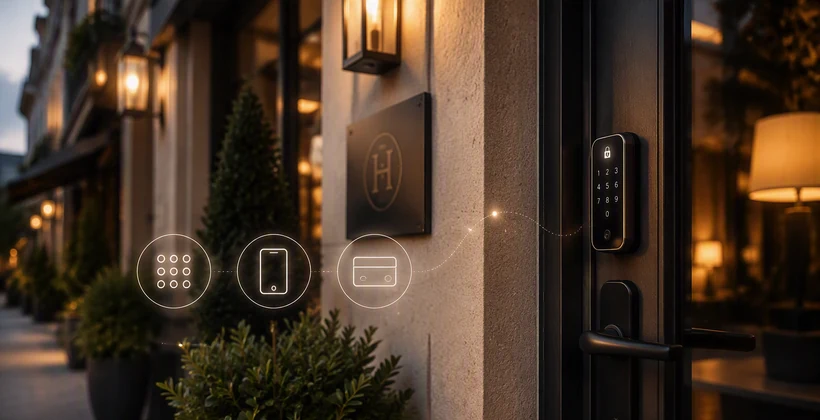
Choosing the right access credentials for your boutique hotel: PINs, mobile, cards, and when to mix them