Understanding door types in multifamily access control



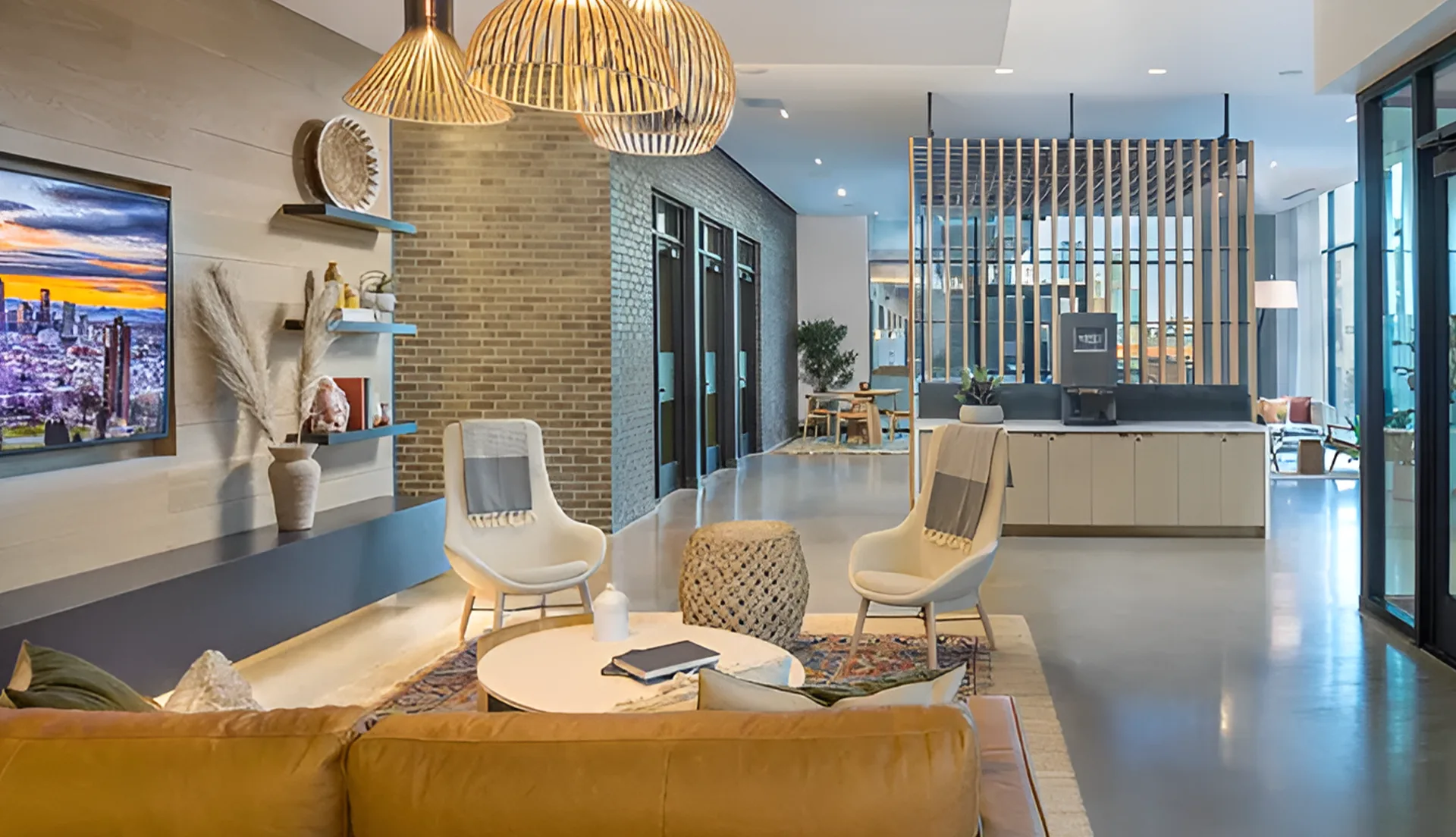
When managing a multifamily property, doors represent more than just entry points. Each type of door carries unique responsibilities for resident experience, security, and operational efficiency. Understanding the differences helps operators make informed decisions about access control.
Managing shared spaces: lobbies, gyms, and amenity areas
Common doors include lobbies, gyms, laundry rooms, parking garages, and other shared amenities. These spaces often have variable usage throughout the day, which means access needs to be carefully scheduled and monitored. Proper management ensures that residents enjoy secure access when needed, while preventing unauthorized entry.
Unit doors: balancing resident convenience with security
Unit doors are central to a resident’s daily experience. They require a balance of security and convenience. Traditional keys present challenges with lockouts and turnover, while smart locks and other modern solutions allow managers to assign unique codes or mobile credentials. This reduces the burden on staff and provides residents with a more seamless experience.
Multifamily insights, delivered
Subscribe for practical tips on resident access, staffing, and portfolio-wide operations.
Wired systems: reliability for main entrances and high-security areas
Many properties rely on wired door systems, particularly at main entrances, elevators, or high-security areas. Wired systems are often valued for their reliability and stability. They allow managers to maintain centralized oversight, which is especially useful in large buildings where consistent connectivity is essential.
Offline and Bluetooth Doors
In properties without property-wide Wi-Fi, offline or Bluetooth-enabled locks can be a practical alternative. These locks communicate directly with residents’ smartphones or use locally stored credentials. They provide secure access without the need for extensive infrastructure upgrades, making them an appealing option for retrofits or buildings with limited connectivity.
Elevators and specialized access points
Beyond unit and amenity doors, properties also include elevators, storage areas, and IT closets. Each of these requires its own access strategy. Elevators may need floor-specific controls, while service areas often demand time-limited access for vendors or maintenance staff. Managing these spaces effectively reduces risk and keeps operations running smoothly.
Bringing it all together
For multifamily operators, the range of door types — from common entrances to specialized access points — means that a one-size-fits-all approach can be incredibly valuable. RemoteLock helps bridge these differences by supporting wired, Wi-Fi, offline, and specialized access points within one unified platform.
This gives property managers the flexibility to combine hardware as needed, while still managing everything centrally. The result is an access control strategy that balances security, convenience, and operational efficiency across the entire property.
See What RemoteLock Can Do
Built for multifamily portfolios
See how access automation and resident tools fit into your property's daily operations.

RemoteLock has been automating access control and improving on-site property operations efficiencies across multiple industries, including vacation rental and multifamily, for more than ten years. As a leading access-centered property operations software platform provider with more than 10,000 customers in 75+ countries, RemoteLock helps property managers enable, control, and automate access and climate control across their portfolio. RemoteLock’s platform saves property managers time and money through the elimination of tasks for onsite staff and helps scale businesses with greater confidence. It is differentiated by its dozens of integrations with applicable hardware and business software systems for an easy-to-use, turn-key solution.
Access that Works Everywhere
One flexible platform built to support modern properties, no matter who needs access or how your portfolio scales

Interested in learning more?
Explore blogs, webinars, and videos related to what you just read

When the internet drops, your guest still needs to get in
The maintenance request that never gets logged
Access that matches the schedule, not the other way around