Beyond the lock: why smart access is only the beginning



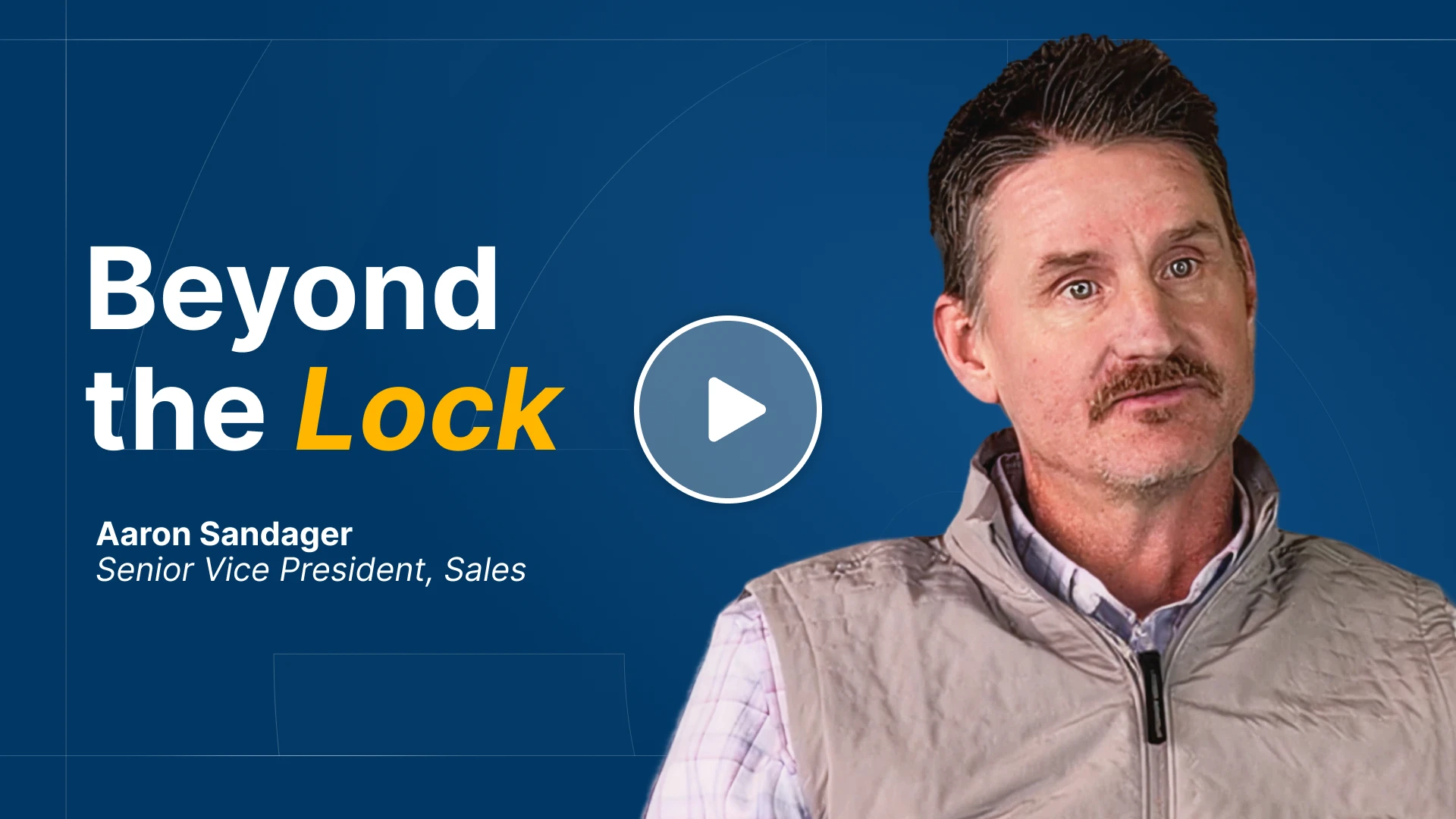
When many people hear “RemoteLock,” they still think primarily about smart locks. That perception makes sense. Access control is where we started more than a decade ago. But today, RemoteLock is no longer a hardware company at all. We are a 100% software platform built to help property operators simplify operations at scale.
At its core, a smart lock is only as valuable as the software behind it. Software is what enables centralized control, automation, and visibility across an entire portfolio, not just a single door. Over the years, RemoteLock has evolved from an access control platform into a broader operational automation ecosystem, helping property managers bring access, climate control, and monitoring into one unified system.
That shift, from “a lock on a door” to “software that runs operations,” is what the idea of “beyond the lock” is all about. Watch the whole video here, or keep reading!
Solving the problem of operational complexity at scale
Managing one or two properties is relatively simple. Managing five, ten, or twenty properties is not.
As property portfolios grow, so does operational complexity. Each new building often brings new systems, dashboards, logins, and workflows. Over time, operators end up with fragmented tech stacks that require constant context switching, manual processes, and duplicate data entry. This “swivel chair” work costs teams time and increases the likelihood of errors.
RemoteLock addresses this challenge by consolidating key operational systems into a smaller set of connected tools. Instead of managing access in one platform, reservations in another, and device settings somewhere else entirely, operators can centralize these workflows and reduce the human effort required to keep everything running.
The value becomes especially clear at inflection points of growth, when teams realize that their current processes no longer scale. Centralization allows operators to grow their portfolios without growing their workload at the same pace.
Smarter multifamily operations start here
Get the latest on resident apps, access automation, and tools to streamline your property in your inbox.
The value of integrations: eliminating manual work and errors
One of the clearest examples of how complexity shows up day to day is guest and resident setup.
Without integrations between access control and a PMS, property managers often have to manually enter the same information multiple times. A single reservation can require copying guest or resident details into two or three different systems, manually setting access schedules, and creating credentials like PIN codes or mobile keys by hand.
When access control is fully integrated with a PMS, that manual work disappears. Reservation data flows automatically, access credentials are created without intervention, and entry schedules are tied directly to check‑in and check‑out times. This not only saves time for staff, but also reduces common problems like late code delivery, expired credentials, or incorrect access windows.
Integrations also reduce the risk of human error. Manual data entry increases the chance of typos, mismatched names, or duplicate user records. By entering information once and allowing systems to sync automatically, operators can rely on consistent, accurate data across their stack.
In real-world use cases, customers often start with RemoteLock as a standalone access solution and later integrate it with their PMS. When they do, workflows that once required careful, repetitive setup become automated end to end, freeing teams to focus on higher‑value work.
What centralized management looks like in practice
Centralized management isn’t an abstract concept. It shows up in daily workflows.
For multifamily operators managing multiple buildings, centralization means having a single view of the entire portfolio instead of logging into different systems for each property. Leasing agents and property managers can oversee units, common areas, and access permissions from one interface, rather than learning and maintaining several separate tools.
Vacation rental operators experience similar benefits, even though the use cases differ. Whether managing single‑family homes, cabins, or short‑term rentals spread across a region, having every property accessible in one system creates clarity and control that simply isn’t possible with disconnected tools.
Centralization also benefits field teams. Maintenance staff no longer need to drive back and forth to pick up keys or fobs from property offices. Temporary credentials can be issued digitally, allowing secure access exactly when and where it’s needed. This reduces downtime, unnecessary travel, and operational friction.
For operators early in their growth journey, centralized software provides a strong foundation. Implementing a unified system before a portfolio becomes complex makes it easier to add new properties later without reworking processes. While consolidation is possible after the fact, building that foundation early keeps growth predictable and manageable.
Conclusion: building a foundation for scalable operations
RemoteLock is about more than access control. It’s about helping property operators run simpler, more efficient operations as they grow.
By unifying access, integrations, and device management in a single software platform, RemoteLock reduces manual work, minimizes errors, and gives teams the visibility they need to manage portfolios with confidence. Customers across multifamily and vacation rental segments report meaningful operational savings, allowing their teams to spend less time managing keys and systems and more time focused on leasing, guest experience, and growth.
As properties scale, the difference between stitched‑together tools and a centralized platform becomes increasingly clear. Building that foundation early enables smoother expansion and a better experience for both staff and residents or guests.
See how RemoteLock works for multifamily
Explore solutions built for apartments, resident access, and property-wide operations.
RemoteLock has been automating access control and improving on-site property operations efficiencies across multiple industries, including vacation rental and multifamily, for more than ten years. As a leading access-centered property operations software platform provider with more than 10,000 customers in 75+ countries, RemoteLock helps property managers enable, control, and automate access and climate control across their portfolio. RemoteLock’s platform saves property managers time and money through the elimination of tasks for onsite staff and helps scale businesses with greater confidence. It is differentiated by its dozens of integrations with applicable hardware and business software systems for an easy-to-use, turn-key solution.
Access that Works Everywhere
One flexible platform built to support modern properties, no matter who needs access or how your portfolio scales
Interested in learning more?
Explore blogs, webinars, and videos related to what you just read
When the internet drops, your guest still needs to get in
The maintenance request that never gets logged
Access that matches the schedule, not the other way around