8 ways boutique hotels are doing more with smaller teams



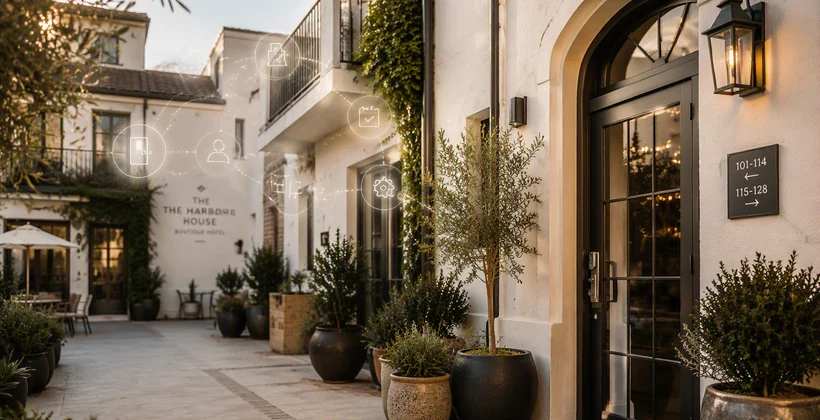
Boutique hotels have always run leaner than big-brand properties. What's changed recently isn't the size of the team. It's how much of the routine work no longer needs a person standing at the front desk to handle it. Here are eight of the biggest shifts.
1. Mobile and PIN credentials replace the key drawer
Physical keys and cut cards used to take up real staff time: cutting new ones, deactivating lost ones, reissuing after a lockout. Mobile and PIN credentials remove almost all of that. A guest gets a code or a link before they arrive, and nobody at the desk touches a physical key at check-in. A day in the life of a boutique hotel running on automated access shows just how much of that work simply stops happening.
2. Vendor access runs on a schedule, not a spare key
A vendor visit used to mean a spare key handed over and, ideally, tracked down again afterward. Scheduled digital access solves the actual problem: a code that's live only for the visit, then expires on its own. Nobody has to remember to collect anything or update a spreadsheet. Rethinking what the front desk actually needs to do starts with tasks exactly like this one.
3. Housekeeping sees room status in real time
A printed housekeeping list goes stale the moment the first room finishes early. When room status ties directly to the access system, a cleaned room shows as ready immediately, and nobody has to call the front desk to confirm it before assigning the next task.
Hospitality access, made simple
Subscribe for guest-first technology insights tailored to boutique hotels and short-term rental brands.
4. Self-guided access covers early arrivals and late checkouts
Self-guided access, built originally for property tours, turns out to handle early arrivals and late checkouts just as well. A guest lets themselves in without pulling staff away from everyone else at the property.
5. Guests notice before staff do
Guests notice the difference, even if they can't always name it. Check-in doesn't depend on a specific person being at the desk at a specific time, and a late flight doesn't turn into a wait in the lobby.
6. Staff credentials expire automatically
A departing staff member used to mean a rekey, or a hope that the old card actually got returned. Digital credentials expire the moment a shift or an employment ends. No rekey, no chasing down a badge, no gap where an old credential still works.
7. Every door reports to one dashboard
Separate systems for guest, staff, and vendor access make it hard to know what's actually happening across a property at any given moment. One dashboard means one place to look, and one thing to check when something seems off. The signs that a scattered access setup is costing more than it should tend to show up here first.
8. None of this replaces the team
What automation changes is how much of a team's time goes toward admin work versus actual hospitality, not whether a team is needed at all. Boutique properties still need a different approach to access than either a big hotel chain or a standalone vacation rental.
Mint House scaled their operations this way across a growing portfolio, without proportionally growing their on-site teams. Read more in how Mint House streamlined operations with RemoteLock.
RemoteLock CEO Nolan Mondrow and SVP of Sales Aaron Sandager dig into this shift firsthand in a conversation on the future of access control in independent hospitality.
Get started
See how automated access lets a smaller team run a boutique property without the admin overhead.

RemoteLock has been automating access control and improving on-site property operations efficiencies across multiple industries, including vacation rental and multifamily, for more than ten years. As a leading access-centered property operations software platform provider with more than 10,000 customers in 75+ countries, RemoteLock helps property managers enable, control, and automate access and climate control across their portfolio. RemoteLock’s platform saves property managers time and money through the elimination of tasks for onsite staff and helps scale businesses with greater confidence. It is differentiated by its dozens of integrations with applicable hardware and business software systems for an easy-to-use, turn-key solution.
Access that Works Everywhere
One flexible platform built to support modern properties, no matter who needs access or how your portfolio scales

Interested in learning more?
Explore blogs, webinars, and videos related to what you just read
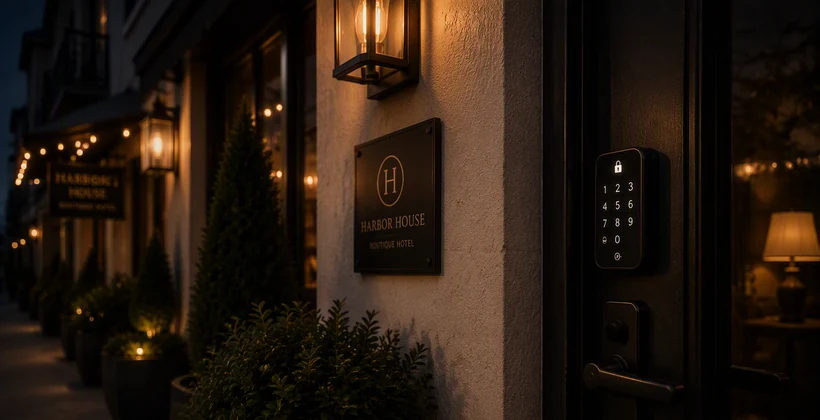

When the internet drops, your guest still needs to get in
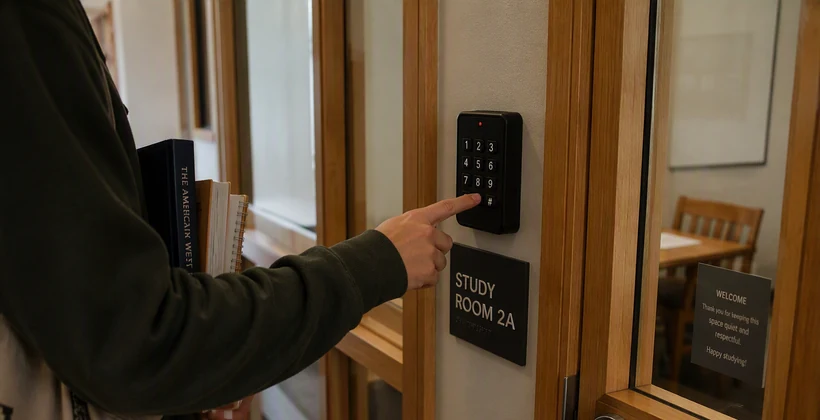
What actually happens when a patron reserves a study room
The maintenance request that never gets logged