Protect your vacation rental from natural disasters



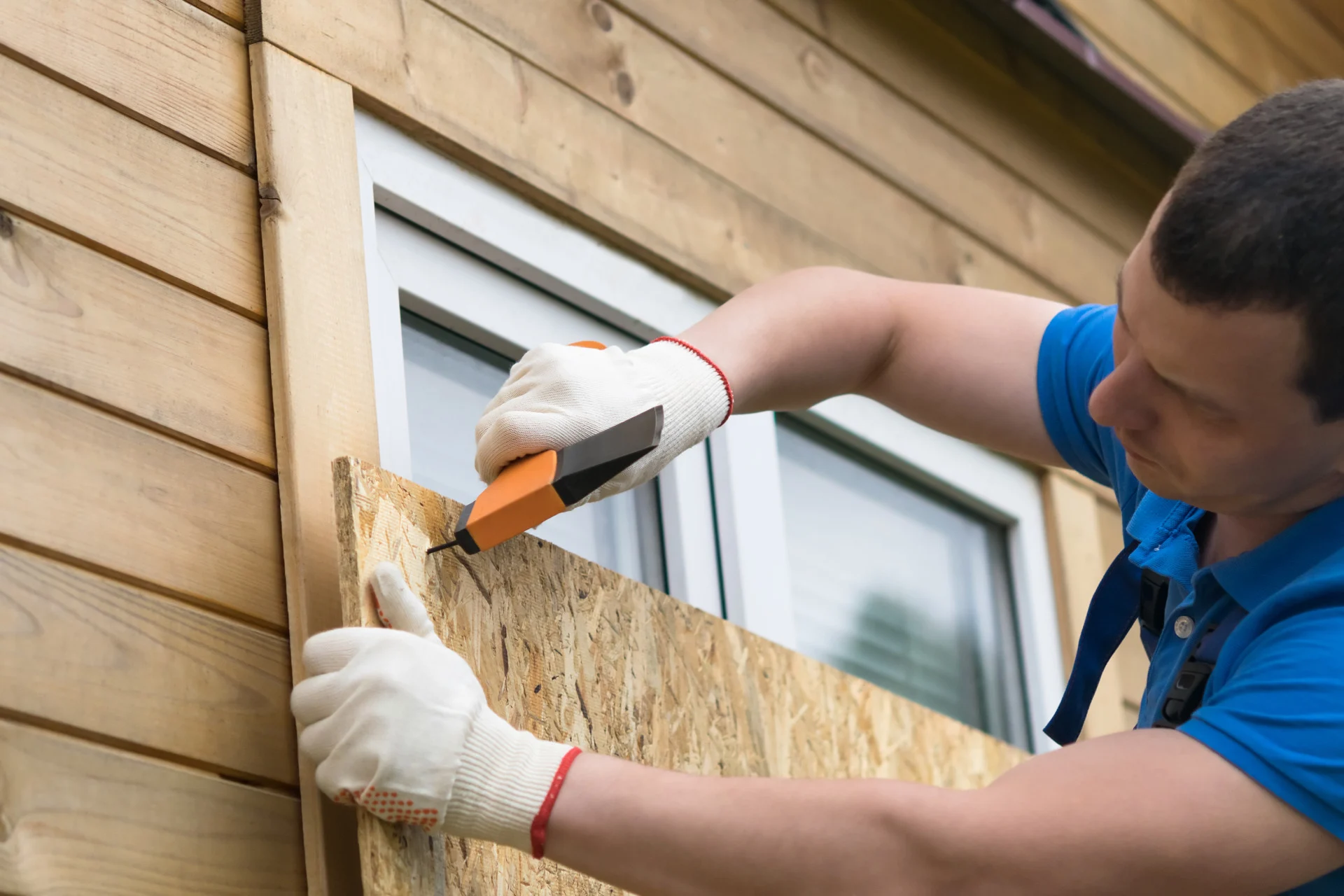
The devastating wildfires that recently swept through Los Angeles serve as a stark reminder of how natural disasters can impact lives and livelihoods. Above all, protecting human life is the top priority, but for many vacation rental owners, their properties represent not just homes but their primary source of income. Wildfires, hurricanes, floods, and earthquakes don’t just threaten structures — they disrupt guest stays, damage property, and create safety hazards. As a vacation rental owner, it’s critical to prepare your property for these events to safeguard both the people involved and the business you’ve built.
Assess your property’s risk
Understanding the potential natural disasters in your region is the first step in disaster preparedness. Wildfires are a major threat in dry regions, while coastal properties may face hurricanes and flooding, and other regions might face extreme cold or heat:
Start by evaluating your rental’s location and take proactive measures:
- Wildfire zones: Clear vegetation around the property, install ember-resistant vents, and use fire-resistant building materials.
- Flood-prone areas: Elevate electrical systems, install sump pumps, and keep sandbags on hand.
- Hurricane-prone regions: Reinforce windows and doors, secure loose outdoor furniture, and have an evacuation plan in place.
- Earthquake zones: Secure heavy furniture and appliances, use flexible gas lines, and reinforce the foundation if needed.
In any disaster-prone areas, choose a smart lock that’s resistant to heat, cold, water, and dust to ensure that it stays functional as long as possible.
More guest experience insights, straight to your inbox
Subscribe for tactics on automation, upsells, and operations built for short-term rental teams.
Secure access with smart locks
Smart locks provide an essential layer of security and flexibility for any vacation rental property, especially in the case of a natural disaster. When paired with access control software like RemoteLock, smart locks grant you the ability to monitor and control your property from a distance, especially when it may be unsafe to visit the location in person.
- Remote Access Management: In the event of an evacuation or emergency, property managers can instantly grant or revoke access to emergency personnel, guests, or maintenance teams — without needing to be on-site.
- Remote Monitoring: In the event of a large-scale disaster, you might not be able to visit your property to check its status. RemoteLock’s remote monitoring can tell you if a lock has lost power or internet connection, helping you to assess the status of your property from afar.
- Offline Functionality: If a power outage or internet failure occurs, most smart locks retain their current access settings, ensuring guests and authorized personnel can still enter. Make sure you select a smart lock with the security settings that best fit your needs.
- Key Backup: While smart locks are just as secure as traditional locks, physical damage from a disaster could impact their electronic components. Choose a lock with a physical keyhole as a backup, and always have a backup key available in a secure location.
Creating a guest emergency plan
Guests may not be familiar with the area or how to respond in an emergency. Providing clear emergency guidelines can make all the difference. Include:
- Evacuation routes: Clearly mark exits and safe meeting locations.
- Emergency contacts: List local emergency services, property management, and alternative lodging options.
- Power outage instructions: Inform guests about backup power sources and how to manually operate locks if needed.
- Disaster-specific actions: Outline what to do in case of fire, flood, hurricane, or earthquake.
Protecting electronics and smart devices
Electronics, including security systems, Wi-Fi routers, and smart home devices, are vulnerable during natural disasters. To protect them:
- Use surge protectors or uninterruptible power supplies (UPS) to prevent damage from power surges.
- Keep backup batteries for essential devices like security cameras and smoke detectors.
- Store important digital data in cloud-based platforms to ensure access even if physical devices are damaged.
Insurance and Documentation
Standard homeowners’ insurance policies often don’t cover rental properties or all natural disasters. Ensure you have adequate coverage:
- Vacation rental insurance: Protects against guest-related damages and business interruptions.
- Disaster-specific insurance: Flood, wildfire, and earthquake insurance provide additional protection where applicable.
- Inventory documentation: Take photos and videos of your property and store receipts for major appliances and furnishings in case of an insurance claim.
Post-disaster recovery and communication
Once the immediate danger has passed, quickly assessing damage and restoring operations is key to minimizing losses.
- Conduct a property inspection to check for structural damage, leaks, or electrical hazards.
- Communicate with upcoming guests about any necessary cancellations or alternative accommodations.
- Use smart locks to grant access to repair crews remotely, streamlining the recovery process.
Stay prepared, stay secure
While natural disasters are unpredictable, proactive planning ensures that your vacation rental remains as safe as possible for guests and protected from financial loss. With the right measures in place — including smart locks and RemoteLock’s remote management capabilities — you can handle disasters with confidence and keep your property operational even in challenging circumstances.
See how RemoteLock works for vacation rentals
Explore solutions built for hosts, guest access automation, and portfolio management.

RemoteLock has been automating access control and improving on-site property operations efficiencies across multiple industries, including vacation rental and multifamily, for more than ten years. As a leading access-centered property operations software platform provider with more than 10,000 customers in 75+ countries, RemoteLock helps property managers enable, control, and automate access and climate control across their portfolio. RemoteLock’s platform saves property managers time and money through the elimination of tasks for onsite staff and helps scale businesses with greater confidence. It is differentiated by its dozens of integrations with applicable hardware and business software systems for an easy-to-use, turn-key solution.
Access that Works Everywhere
One flexible platform built to support modern properties, no matter who needs access or how your portfolio scales
Interested in learning more?
Explore blogs, webinars, and videos related to what you just read
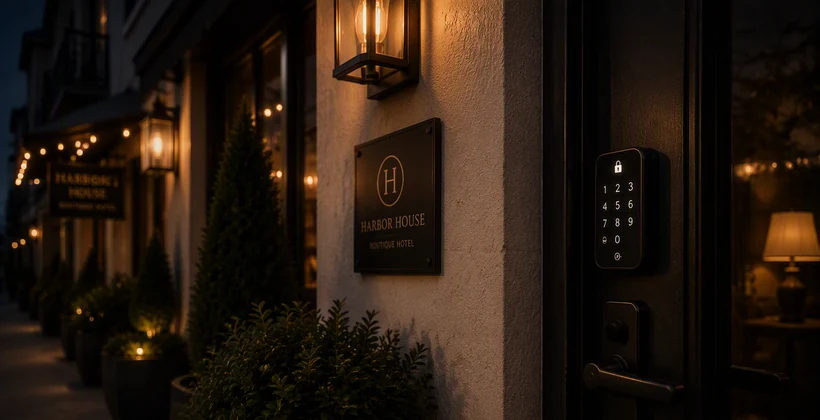

When the internet drops, your guest still needs to get in
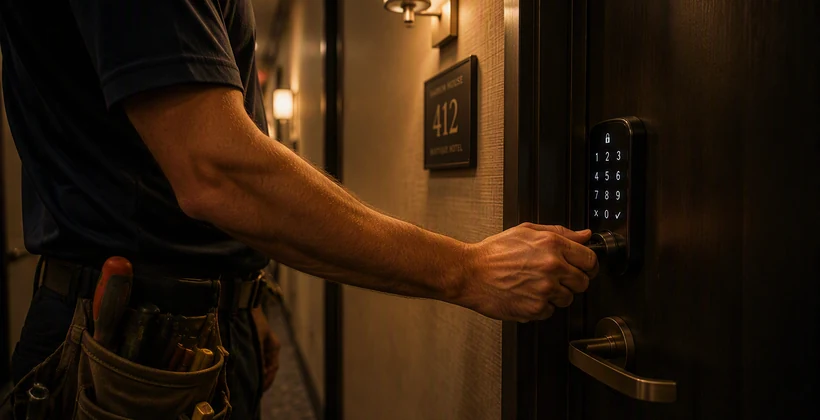
The maintenance request that never gets logged
Access that matches the schedule, not the other way around