How integrated IoT devices create comfortable, memorable guest experiences




After a long flight, a guest pulls into the driveway and sees the porch light glowing. Inside, the air feels cool and comfortable, and their access code works on the first try. There’s no friction, no confusion, just a home that feels ready and uncomplicated from the moment they arrive.
Behind that smooth arrival is more than a smart lock.
RemoteLock brings together thermostats, leak sensors, access control, and a vast network of software integrations into one connected system. From a single dashboard, property teams manage who enters a space, how it feels inside, and how it’s protected from damage. Instead of juggling separate apps and manual processes, everything works together.
When these systems integrate, small operational tasks turn into automatic experiences. Those small moments are what guests and residents remember, and those memories lead to five-star reviews and repeat bookings.
Smart property automation that goes beyond locks
Access control is often the starting point. But modern properties rely on more than doors and codes.
With RemoteLock, you can connect smart thermostats and water leak sensors directly to your access system. That means events don’t happen in isolation. A new booking can trigger climate settings. A detected leak can trigger water shutoff and notifications. Access permissions can align with maintenance workflows.
Integrations are what expand these capabilities even further. When your PMS, maintenance software, and IoT devices all connect through RemoteLock, actions in one system automatically trigger responses in another. Instead of managing separate tools, you create a coordinated ecosystem that adapts to bookings, service requests, and real-time events without extra manual work.
Multifamily insights, delivered
Subscribe for practical tips on resident access, staffing, and portfolio-wide operations.
How smart thermostat integration enhances the vacation rental experience
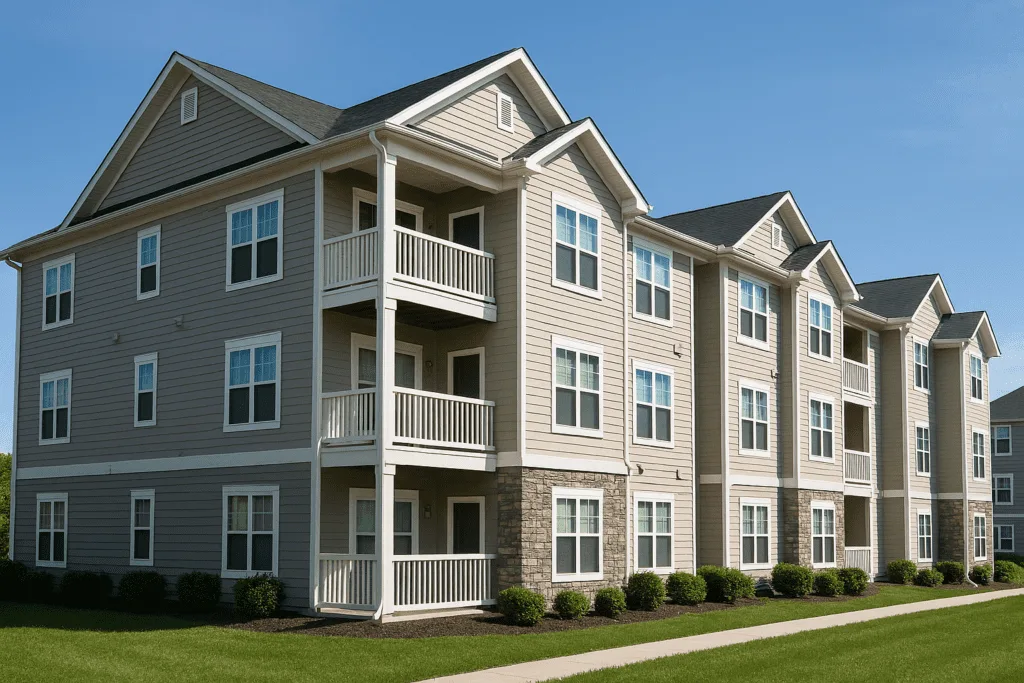
Picture a short-term rental that turns over multiple times each month.
A guest books a three-night stay. The reservation flows into the property management system, which is integrated with RemoteLock. A unique access code is created automatically and scheduled for their stay. Twenty-four hours before arrival, that code is emailed to the guest.
No manual entry. No copying and pasting. No need to worry about human error, misspelling a name, or forgetting to send the reminder.
Two hours before check-in, another automated action happens. The smart thermostat shifts from its energy-saving setting to cooling mode. By the time the guest unlocks the door, the home feels comfortable.
The guest doesn’t think about how it happened. They just notice that it feels right, opening the door from the summer heat into a blissful vacation stay.
During the stay, the property manager receives notifications confirming that the code was delivered and activated. They can see when the guest first unlocks the door. But they don’t have to intervene.
When checkout time passes and the code expires, the thermostat returns to an eco-friendly setting. Energy use drops automatically. There’s no risk of the air conditioning running all week in an empty home.
The entire sequence — code creation, guest communication, climate adjustment, and energy reset — happens without manual steps.
For the property team, that means fewer reminders and fewer chances for error. For the guest, it means arriving to a home that feels prepared for them.
How leak detection automation protects multifamily properties overnight
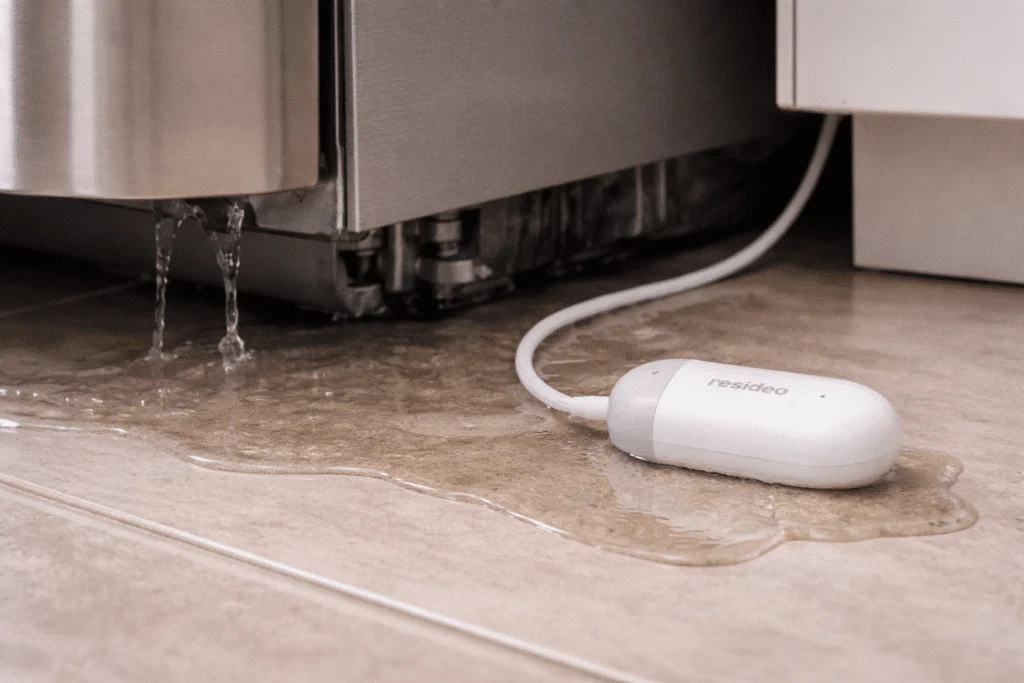
Now imagine a different scenario in a multifamily building.
It’s 2:17 a.m. The dishwasher in a resident’s unit, running overnight, begins to leak. Water pools quietly under the appliance. In many buildings, this would go unnoticed for hours, potentially leaking through the floor and causing thousands in damage.
But beneath the dishwasher sits a Resideo L2 leak sensor. The sensor detects moisture immediately. That single event triggers a cascade of automated actions through the RemoteLock ecosystem.
First, the signal shuts off power to the dishwasher so it doesn’t continue running. Then, through integration with a Resideo L5 water shutoff valve, the water supply to the unit turns off, stopping the leak at its source.
At the same time, the property manager receives a notification that moisture was detected and water has been shut off.
Because the building’s maintenance software is integrated, a work order is created automatically. An email goes out to the resident explaining that a leak was detected and service is scheduled. A temporary access code is generated for maintenance staff to enter the unit the following day during approved hours.
By morning, the situation is contained. The water is off. The resident is informed. Maintenance has access scheduled. The damage is minimal.
That’s the difference between disconnected devices and an integrated system. The sensor doesn’t just send an alert. It initiates action.
Why an integrated IoT ecosystem saves time and builds trust
When thermostats, leak sensors, and access control operate separately, teams spend time stitching together processes.
They send manual emails. They adjust temperatures one unit at a time. They respond to water damage after it spreads. They coordinate access for maintenance with spreadsheets or phone calls.
Integration removes those extra steps.
RemoteLock connects property systems so they respond to real-world events automatically. A booking triggers comfort. A leak triggers protection. A work order triggers secure access.
That saves time. But it also creates confidence.
Guests trust a home that feels ready when they arrive. Residents trust a building that responds quickly to issues. Property teams trust that systems will act even when they’re offline.
When everything works together, technology fades into the background. What remains is a smooth check-in, a comfortable space, and a problem handled before it becomes a crisis.
That’s how integrated IoT devices turn everyday operations into memorable experiences — and give property teams peace of mind at the same time.
Built for multifamily portfolios
See how access automation and resident tools fit into your property's daily operations.

RemoteLock has been automating access control and improving on-site property operations efficiencies across multiple industries, including vacation rental and multifamily, for more than ten years. As a leading access-centered property operations software platform provider with more than 10,000 customers in 75+ countries, RemoteLock helps property managers enable, control, and automate access and climate control across their portfolio. RemoteLock’s platform saves property managers time and money through the elimination of tasks for onsite staff and helps scale businesses with greater confidence. It is differentiated by its dozens of integrations with applicable hardware and business software systems for an easy-to-use, turn-key solution.
Access that Works Everywhere
One flexible platform built to support modern properties, no matter who needs access or how your portfolio scales

Interested in learning more?
Explore blogs, webinars, and videos related to what you just read

When the internet drops, your guest still needs to get in
The maintenance request that never gets logged
Access that matches the schedule, not the other way around