How connected thermostats reduce energy costs in multifamily and vacation rentals



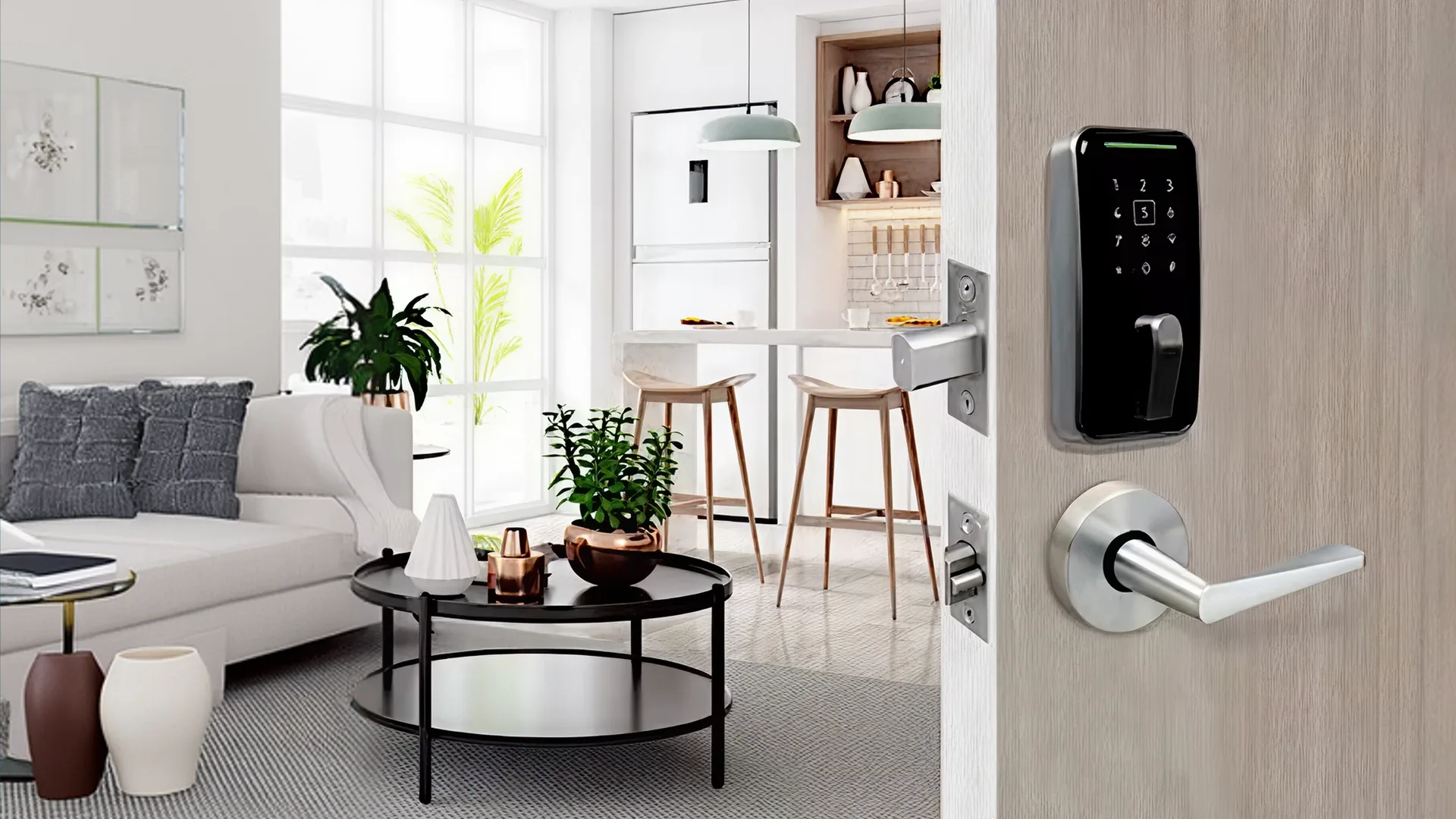
Late in the afternoon, a unit sits empty. A resident is still at work, or a guest checked out earlier that day. The space is quiet, the lights are off, and the doors are locked, yet the thermostat keeps running. Multiplied across dozens of units, that unseen energy use amounts to a real cost: real dollars wasted, real energy used.
Heating and cooling are often the largest energy expenses in multifamily and vacation rental operations. Yet many buildings still rely on traditional thermostats that cannot tell whether a unit is occupied. Connected thermostats change that equation by responding to occupancy, schedules, and real use patterns automatically.
The limits of traditional thermostats
Traditional thermostats do exactly what they are told. They hold a fixed temperature until someone manually changes it. If a resident forgets to turn the heat down before leaving for the weekend, or a guest cranks the AC and checks out, the system keeps running.
For property teams, this creates three ongoing problems.
- Energy use continues in empty units
- Utility costs rise with no operational benefit
- There is no visibility into how systems are actually being used
Even well-meaning reminders and posted guidelines rarely solve the issue. Manual control depends on perfect behavior, every time.
How connected thermostats respond to real occupancy
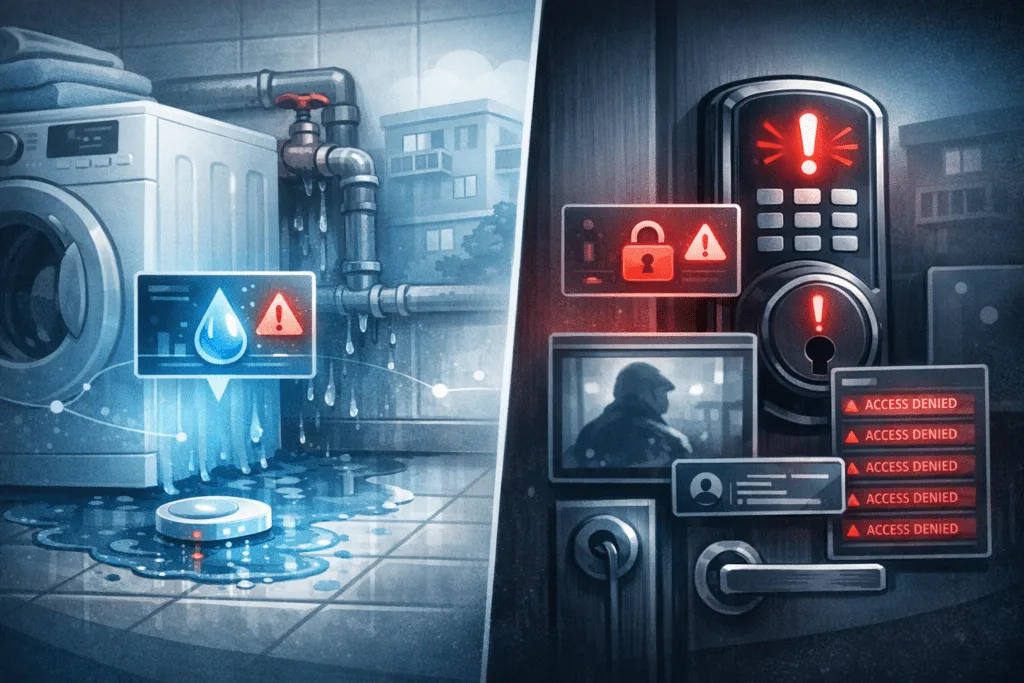
Connected thermostats introduce awareness into the system. Instead of assuming a unit is occupied, they use signals like door activity and schedules to understand when a space is in use.
Smarter multifamily operations start here
Get the latest on resident apps, access automation, and tools to streamline your property in your inbox.
When a unit is vacant, temperatures automatically adjust to efficient set points. When someone returns, comfort is restored without manual intervention. For vacation rentals, this often ties directly to check-in and check-out times. For multifamily properties, it reflects daily patterns without relying on residents to manage settings.
The result is a system that works quietly in the background, reducing waste without disrupting comfort.
A clear comparison: traditional vs. connected
With a traditional thermostat, control is reactive. Someone notices the space feels too warm or too cold and makes a change. Energy savings depend on memory and compliance.
With a connected thermostat, control is proactive. The system adjusts automatically based on occupancy and rules set by the property. Comfort and efficiency stay aligned without constant oversight.
That difference becomes more pronounced at scale. Across dozens or hundreds of units, small inefficiencies multiply quickly. Automation brings consistency where manual processes cannot.
Where the ROI Comes From
The return on connected thermostats shows up in several places at once.
Lower utility bills are the most obvious. By reducing heating and cooling in unoccupied units, properties cut a major source of wasted energy.
Operational time is another factor. Property teams spend less time responding to temperature complaints, checking vacant units, or manually resetting systems between stays.
There is also equipment longevity. Systems that run less aggressively experience less wear, which can reduce maintenance costs over time.
For multifamily operators, these savings repeat month after month. For vacation rentals, the impact is immediate, especially in markets with frequent turnovers and seasonal demand.
Consistent comfort without micromanagement
One concern operators often raise is resident or guest experience. The assumption is that tighter control might reduce comfort. In practice, the opposite is usually true.
Connected thermostats create more predictable environments. Units are comfortable when occupied and efficient when empty. There are fewer extremes and fewer surprises.
Residents do not feel managed. Guests do not notice the automation at all. The system simply works in the background, supporting both comfort and cost control.
Smarter energy use as part of a larger system
Connected thermostats are most powerful when they are part of a broader connected property strategy. When access, occupancy, and building systems work together, properties gain clearer insight into how spaces are actually used.
This turns energy management from a manual task into an operational standard. Instead of chasing savings unit by unit, teams set policies once and let the system handle the rest.
A practical path to lower costs
Rising energy costs are not going away. For multifamily and vacation rental operators, the real question is how much of that spend is doing useful work and how much is tied to empty units and outdated controls.
Connected thermostats help close that gap. By aligning heating and cooling with real occupancy and schedules, they reduce wasted energy, lower operating costs, and create a more consistent experience across every unit. The result is a measurable return that grows as your portfolio scales.
See how RemoteLock works for multifamily
Explore solutions built for apartments, resident access, and property-wide operations.

RemoteLock has been automating access control and improving on-site property operations efficiencies across multiple industries, including vacation rental and multifamily, for more than ten years. As a leading access-centered property operations software platform provider with more than 10,000 customers in 75+ countries, RemoteLock helps property managers enable, control, and automate access and climate control across their portfolio. RemoteLock’s platform saves property managers time and money through the elimination of tasks for onsite staff and helps scale businesses with greater confidence. It is differentiated by its dozens of integrations with applicable hardware and business software systems for an easy-to-use, turn-key solution.
Access that Works Everywhere
One flexible platform built to support modern properties, no matter who needs access or how your portfolio scales

Interested in learning more?
Explore blogs, webinars, and videos related to what you just read

When the internet drops, your guest still needs to get in
The maintenance request that never gets logged
Access that matches the schedule, not the other way around