The business case for IoT in multifamily properties



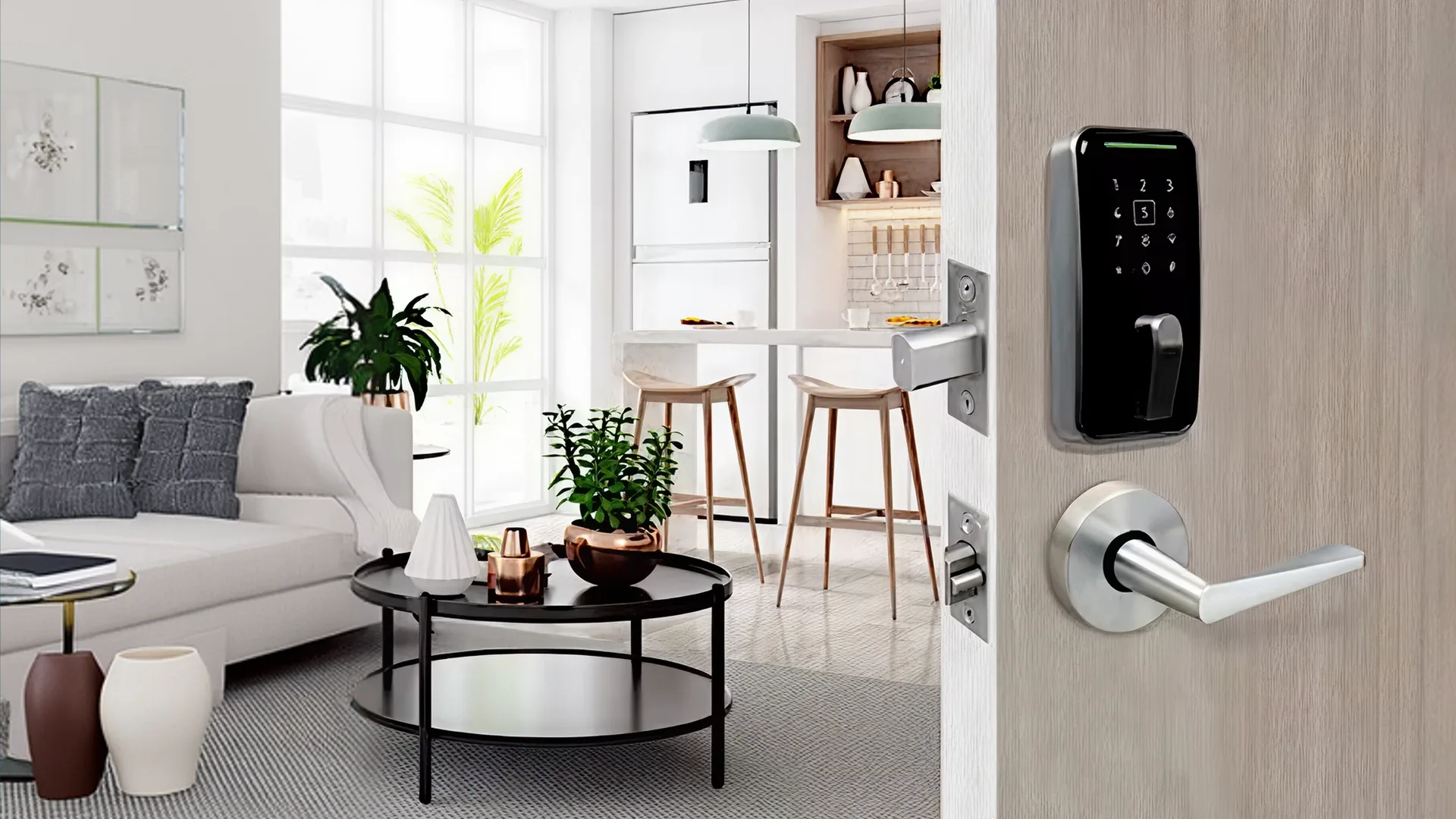
Connected technology has moved from a luxury to an operational necessity across multifamily housing. Rising utility costs, ongoing staffing shortages, and growing expectations from residents have pushed property teams to look for ways to work smarter, not harder. IoT provides one of the clearest paths to measurable savings. From HVAC efficiency and leak prevention to automated access and insurance incentives, smart devices now have a quantifiable financial impact on day‑to‑day operations.
Owners and operators evaluating these systems want more than promises; they want real numbers. The data is available, and it shows that IoT has become one of the strongest investments a multifamily property can make.
Leak detection that prevents costly incidents
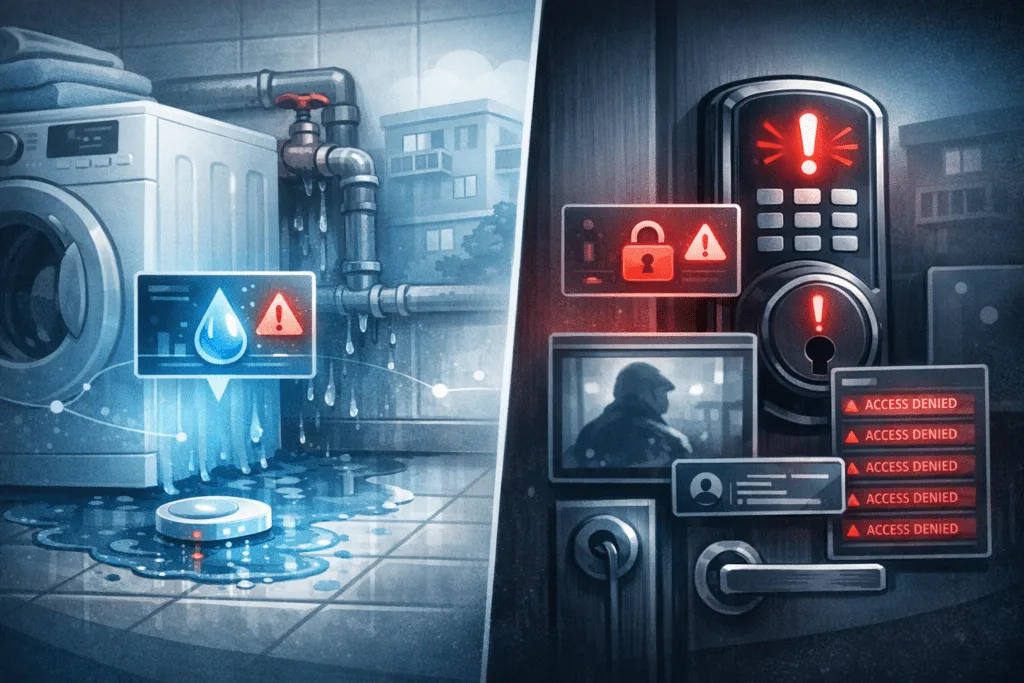
Water damage remains one of the most expensive risks in multifamily housing. According to the Insurance Information Institute, the average water damage claim costs over $11,000. Larger failures (particularly those in mid‑rise and high‑rise buildings) often exceed $50,000 to $100,000 when multiple units are affected.
Smart leak sensors catch the earliest signs of trouble. Miltifamily buildings with leak detection technology reduce water‑related claims by up to 96%. Multifamily‑specific data shows similar trends, especially when paired with automatic shutoff valves.
For a building with 100 units, preventing even one major incident can pay for an entire IoT rollout.
Energy savings that protect budgets
Heating and cooling represent a major line item for most buildings. The U.S. Department of Energy estimates that smart thermostats reduce HVAC energy use by 10%–20% each year. For many properties, this translates into $150–$300 per unit in annual savings depending on local utility rates.
Smarter multifamily operations start here
Get the latest on resident apps, access automation, and tools to streamline your property in your inbox.
These savings aren’t theoretical. ENERGY STAR’s field studies found that connected thermostats cut cooling load by ~8% and heating load by ~10%, mostly through automated setbacks and occupancy‑based adjustments.
For owners planning long‑term capital improvements, reduced HVAC load also affects equipment lifespan. Less runtime means fewer service calls and deferred replacements, creating an additional but often overlooked cost advantage.
Insurance savings that add up
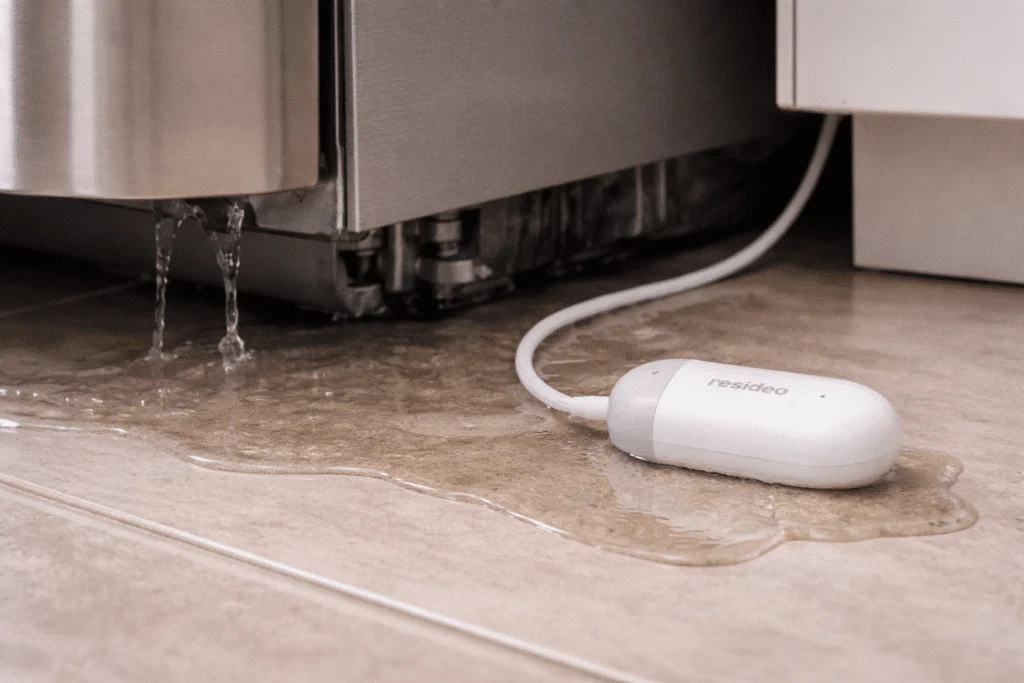
Insurers increasingly reward buildings that demonstrate proactive risk reduction. Carriers such as Travelers and Liberty Mutual report 5%–10% premium reductions for properties equipped with leak detection and automatic shutoff systems.
In some markets, underwriters offer additional incentives for access control, surveillance, and smart monitoring because these systems reduce liability. While percentages vary by state and provider, the industry trend is consistent: connected buildings receive preferential pricing.
Access control that improves security
Unauthorized access remains a growing concern for multifamily communities. Research published in Security Journal found that properties using electronic access control saw 50% fewer unauthorized entry incidents compared to those using mechanical keys.
Beyond security, digital access also reduces rekeying and lock replacement — an expense that averages $50–$150 per door for every turnover.
When access integrates with property management software, new residents automatically receive the right permissions, and old credentials are revoked instantly. This eliminates the risk of unreturned keys and the administrative burden of manual updates.
Automation that saves time for property teams
Manual access code creation may not seem like a major time sink, but the cost grows quickly across an entire building. Operators estimate that creating, distributing, and updating access credentials takes 10–15 minutes per move‑in or move‑out.
A 200‑unit building averages 60–80 turnovers per year, depending on the market. That results in:
- 12–20 staff hours spent annually on creating codes
- Additional time lost tracking temporary access for vendors, real‑estate agents, or maintenance
Automated systems eliminate most of this work. Codes sync directly with leasing software, meaning staff no longer copy‑and‑paste information or manually type credentials. The time saved can be reallocated to resident support, leasing, or maintenance, where staff attention has more impact.
Operational efficiency across the property
IoT doesn’t just protect budgets; it streamlines workflows. Connected locks, thermostats, leak sensors, and shared‑space controls create a more predictable building environment. This consistency reduces surprises, which in turn reduces emergency labor costs.
Maintenance teams benefit as well. Smart thermostats provide equipment health data. Leak sensors alert staff immediately rather than after hours or during peak demand. Access logs help maintenance track who entered a unit and when.
Every device contributes to smoother operations.
The financial case is clear
IoT used to be a future‑facing conversation. Today, it’s a practical investment backed by solid numbers. Multifamily owners evaluating upgrades often find that connected systems pay for themselves through a combination of avoided incidents, reduced labor, lower utility costs, and recurring insurance incentives.
A well‑planned IoT strategy supports predictable operations, better resident experiences, and a stronger bottom line.
Smart devices now form the foundation for efficient, modern multifamily communities. And the earlier a property adopts them, the sooner those savings begin to compound.
Learn more about what RemoteLock's IoT ecosystem can do for your multifamily property.
Explore RemoteLock IoT
See how RemoteLock works for multifamily
Explore solutions built for apartments, resident access, and property-wide operations.

RemoteLock has been automating access control and improving on-site property operations efficiencies across multiple industries, including vacation rental and multifamily, for more than ten years. As a leading access-centered property operations software platform provider with more than 10,000 customers in 75+ countries, RemoteLock helps property managers enable, control, and automate access and climate control across their portfolio. RemoteLock’s platform saves property managers time and money through the elimination of tasks for onsite staff and helps scale businesses with greater confidence. It is differentiated by its dozens of integrations with applicable hardware and business software systems for an easy-to-use, turn-key solution.
Access that Works Everywhere
One flexible platform built to support modern properties, no matter who needs access or how your portfolio scales

Interested in learning more?
Explore blogs, webinars, and videos related to what you just read

When the internet drops, your guest still needs to get in
What actually happens when a patron reserves a study room
The maintenance request that never gets logged