Stop rekeying, stop waiting: what digital access changes in daily operations



A resident drops off their keys at move-out. Later that day, a new resident shows up after work, expecting a smooth handoff. At the same time, the leasing office is coordinating a lock change, tracking down keys, and trying to catch up on a maintenance request that’s already running late. None of these tasks are unusual on their own, but together they illustrate the hidden cost of mechanical access: not just the hardware itself, but the time, coordination, and repeat work that accumulates across every unit turn, lockout, and after-hours arrival.
Digital access systems change that pattern. By replacing physical keys with digital credentials, they eliminate the need for routine rekeying, reduce in-person check-ins, and minimize the moments that pull staff away from higher-value work.
Why mechanical keys create repeat work
Traditional keys lock properties into operational routines that are difficult to streamline. Key control becomes a daily responsibility, requiring staff to cut keys, label them, store them securely, track who has them, and reconcile missing sets. During turnover, lost or unreturned keys often trigger rekeying as the safest option, which adds scheduling complexity, labor, and cost on a per-lock basis. On top of that, access for residents, vendors, and after-hours arrivals depends heavily on staff availability, turning routine entry into a constant source of interruption.
These challenges are common across multifamily and vacation rental operations, and they’re exactly where digital access begins to deliver measurable savings.
Rekeying adds up faster than most teams expect
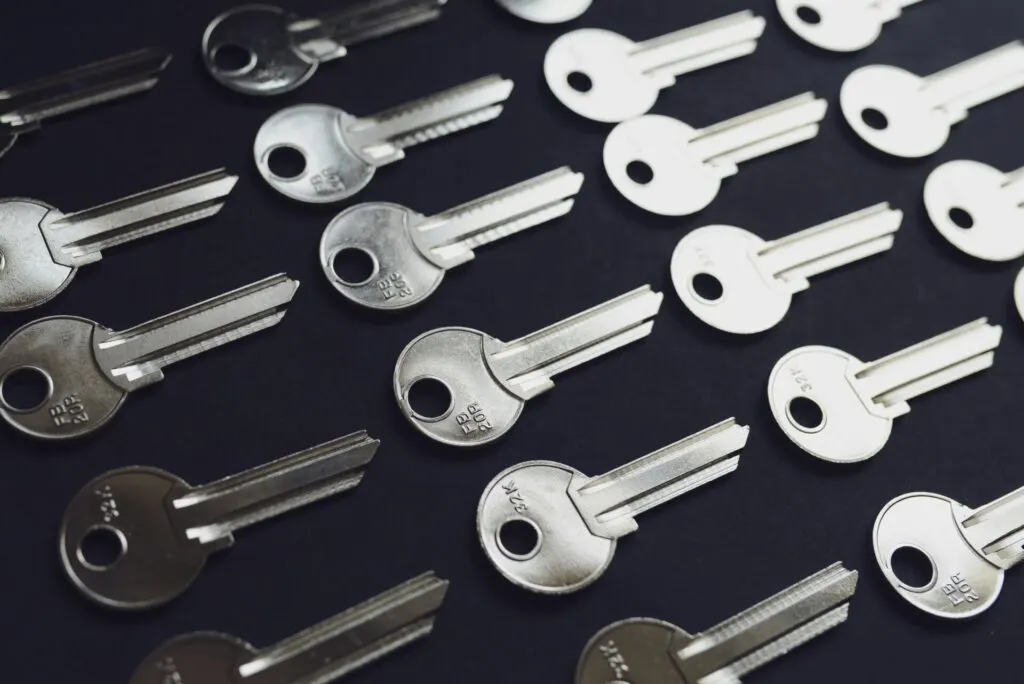
Rekeying is rarely a one-time expense. It’s a recurring operational cost driven by turnover, lockouts, missing keys, and changing access needs. Industry benchmarks typically place rekeying costs between $80 and $150 per lock in many markets, with some estimates climbing above $200 depending on labor, hardware, and conditions. For properties managing dozens or hundreds of doors — including unit entries, shared spaces, and staff access points — those costs scale quickly.
Stay ahead on multifamily access control
Get insights on NOI, resident experience, and operational efficiency delivered to your inbox.
Even when the per-lock cost feels manageable, the frequency is what turns rekeying into a budget and staffing issue. Over the course of a year, a portfolio can spend thousands of dollars simply resetting locks, before accounting for the staff time spent coordinating vendors, scheduling access, and responding to delays.
Digital access replaces rekeying with a faster workflow
With digital access, securing a unit after turnover no longer requires a locksmith visit. Instead of changing hardware, teams deactivate old credentials and issue new ones, often setting clear start and end times for access and maintaining visibility into usage when it matters. What used to be an on-site task becomes an administrative action that can be handled remotely.
This shift removes both the hard costs associated with rekeying and the softer costs tied to scheduling, coordination, and staff labor. Key management moves from a physical process to a digital one, freeing teams from repeat work that adds little long-term value.
Labor savings show up where teams feel it most
The operational impact of digital access is most noticeable in everyday workflows. Turns move faster because access no longer delays maintenance, inspections, or housekeeping; teams can be scheduled based on readiness rather than key availability. Arrivals no longer require in-person check-ins by default, which is especially valuable in vacation rentals and after-hours scenarios. When plans change — whether it’s a late arrival, emergency maintenance, or unexpected vendor visit — access can be adjusted remotely without pulling someone away from other responsibilities.
Across properties that adopt smart access, teams consistently report meaningful reductions in time spent managing keys, replacing locks, and coordinating entry, which translates directly into labor savings and smoother operations.
Estimating the operational impact
Most properties can estimate the impact of digital access using two internal numbers: how often rekeying occurs each year and how many staff hours are tied to key-related tasks. Rekeying can take 15 to 30 minutes per lock, and getting keys cut in large numbers can take even longer. When those figures are paired with typical rekeying costs, the annual impact becomes clear. Even modest reductions in rekeying frequency and manual coordination can translate into thousands of dollars in savings, and those savings repeat year after year.
Efficiency is also about predictability
Operational efficiency isn’t just about moving faster; it’s about reducing surprises. Digital access reduces dependency on office hours, standardizes turnover workflows, and creates clearer accountability around who accessed a space and when. When exceptions inevitably happen, teams can respond quickly without scrambling to be on-site or reshuffling schedules.
Multifamily teams often see the biggest gains during turns, especially in areas where turns often happen at the same time of year, and maintenance coordination. The work itself doesn’t disappear, but access stops being the bottleneck. Vacation rental operators tend to see fewer arrival issues, fewer after-hours calls, and less reliance on on-call staff. In both cases, the shift is the same: physical handoffs give way to digital permissions, rekeying is replaced with credential updates, and manual intervention gives way to more predictable, automated workflows.
How to move from manual keys to digital access management
If your team is still spending time on rekeys, key handoffs, and access coordination, digital access offers one of the most direct paths to operational efficiency. By centralizing access management and automating credentials, properties reduce repeat work while improving the experience for residents, guests, and staff.
See RemoteLock in action
Talk to an expert and get a personalized demo for your property type.

RemoteLock has been automating access control and improving on-site property operations efficiencies across multiple industries, including vacation rental and multifamily, for more than ten years. As a leading access-centered property operations software platform provider with more than 10,000 customers in 75+ countries, RemoteLock helps property managers enable, control, and automate access and climate control across their portfolio. RemoteLock’s platform saves property managers time and money through the elimination of tasks for onsite staff and helps scale businesses with greater confidence. It is differentiated by its dozens of integrations with applicable hardware and business software systems for an easy-to-use, turn-key solution.
Access that Works Everywhere
One flexible platform built to support modern properties, no matter who needs access or how your portfolio scales

Interested in learning more?
Explore blogs, webinars, and videos related to what you just read

Beyond the front door: what modern access control means for commercial properties
8 ways boutique hotels are doing more with smaller teams
Labor Day weekend in vacation rentals: turning the last big surge into your smoothest one