Resource center
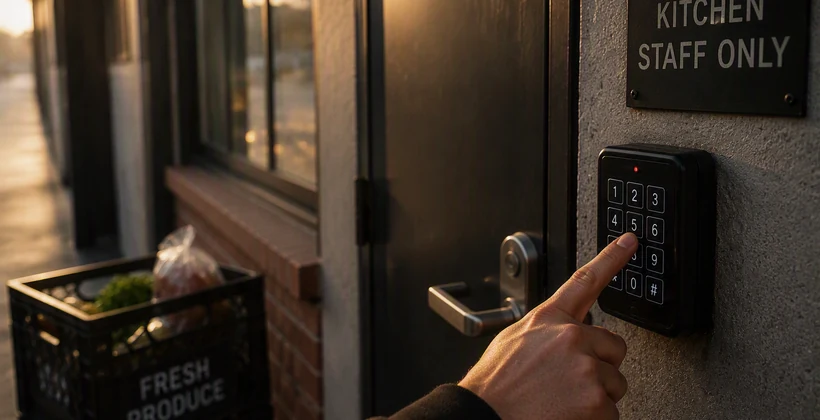
Access that matches the schedule, not the other way around
Access that matches the schedule, not the other way around

Introducing the Guest Experience App: one link, zero friction
Introducing the Guest Experience App: one link, zero friction

How Automating Access Transformed Guest Experiences at This Miami Vacation Rental Company
How Automating Access Transformed Guest Experiences at This Miami Vacation Rental Company


Beyond the Lock | The future of access control in independent hospitality
Beyond the Lock | The future of access control in independent hospitality

Restaurants
Property Operations
Access that matches the schedule, not the other way around
Shifts change constantly in restaurants. Door access usually doesn't keep up.
Access that matches the schedule, not the other way around
Hospitality
Access Basics
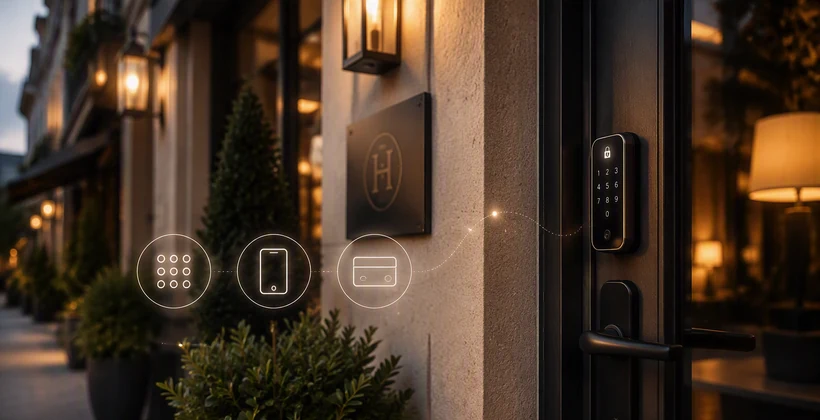
Choosing the right access credentials for your boutique hotel: PINs, mobile, cards, and when to mix them
No single credential type fits every guest, every staff role, and every vendor. Here's how to choose.
Choosing the right access credentials for your boutique hotel: PINs, mobile, cards, and when to mix them
Multifamily
Property Operations
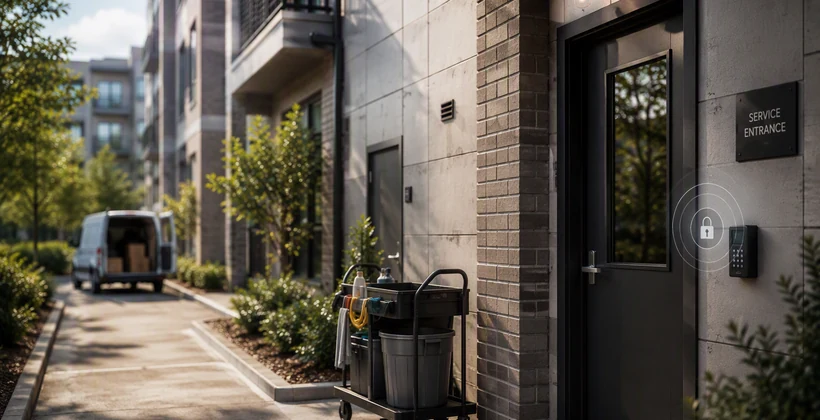
Automating vendor access in multifamily: the operations win nobody talks about
Recurring vendors, one-time techs, and make-ready contractors all need access. Manual tracking isn't it.
Automating vendor access in multifamily: the operations win nobody talks about
Vacation Rental
Access Basics
Insider Tips
When the internet drops, your guest still needs to get in
A quiet pool of backup PINs keeps guests moving when a smart lock loses connection — and when to use it instead.
When the internet drops, your guest still needs to get in
Hospitality
Property Operations
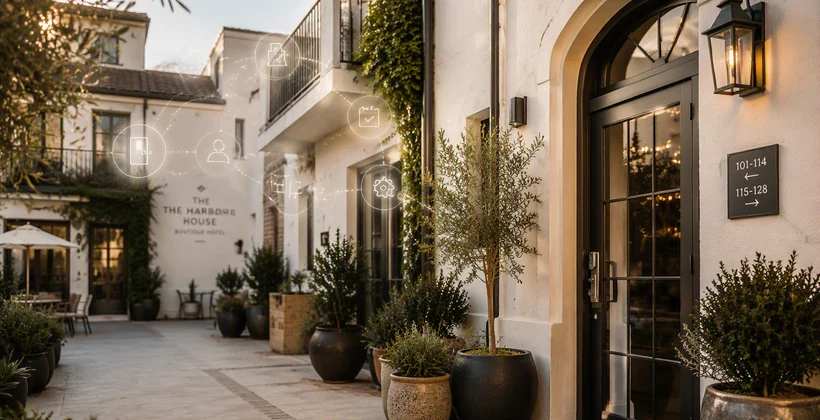
8 ways boutique hotels are doing more with smaller teams
Access automation, vendor scheduling, and guest self-service are quietly changing what a lean team can run.
8 ways boutique hotels are doing more with smaller teams
Commercial
Access Basics
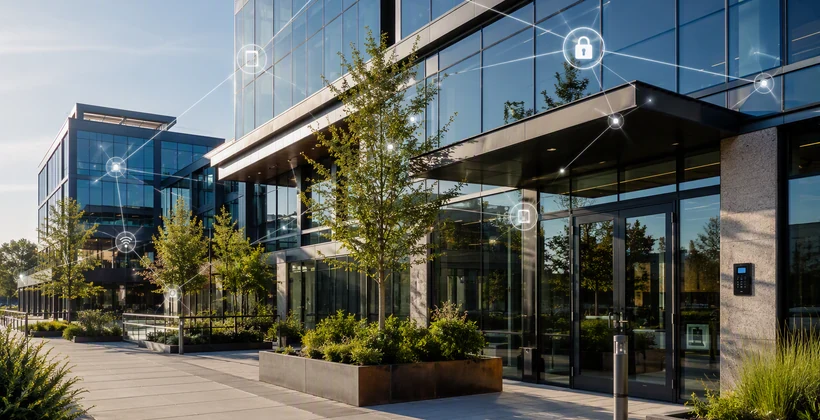
Beyond the front door: what modern access control means for commercial properties
Visitor management, after-hours vendors, multi-tenant floors, and audit trails all live here now.
Beyond the front door: what modern access control means for commercial properties


.webp)
Hospitality
Independent Hospitality
How Thatch runs a staff-less Boston rental operation with RemoteLock + Streamline
See how Thatch manages thousands of Boston short-term rental reservations with a 15-person team using RemoteLock and Streamline automation.
How Thatch runs a staff-less Boston rental operation with RemoteLock + Streamline
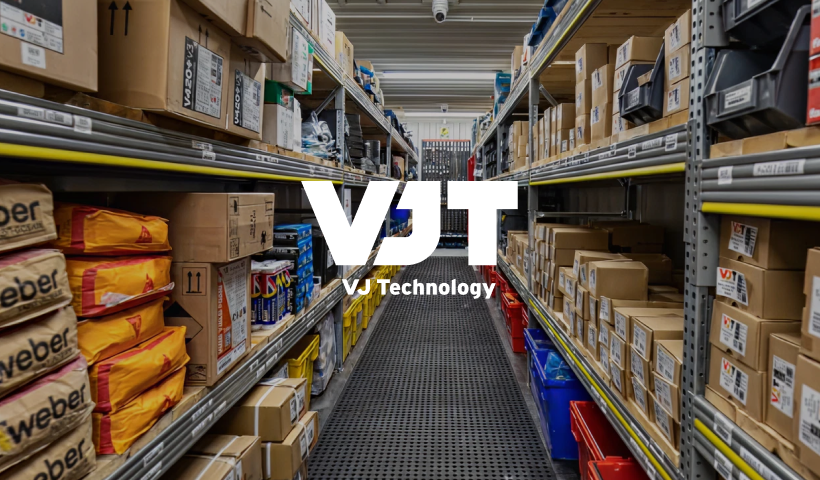
How VJ Technology Turned Shipping Containers Into 24/7 Self-Service Stores
Learn how VJ Technology built autonomous container stores with RemoteLock, improving access, efficiency, and on-site productivity.
How VJ Technology Turned Shipping Containers Into 24/7 Self-Service Stores

Vacation Rental
Vacation Rental
How Evermore Orlando Resort Manages 757 Doors Across 1,100 Acres with RemoteLock
Evermore Orlando manages 757 doors across 1,100 acres with RemoteLock, automating guest, staff, and vendor access at full resort scale.
How Evermore Orlando Resort Manages 757 Doors Across 1,100 Acres with RemoteLock

Vacation Rental
How RemoteLock Transformed a Leading Vacation Rental Company
How RemoteLock Transformed a Leading Vacation Rental Company

Vacation Rental
How This Luxury Rental Company Maximized Guest Experience With RemoteLock + Escapia
How This Luxury Rental Company Maximized Guest Experience With RemoteLock + Escapia

Multifamily
Vacation Rental
Webinar
Beyond the Lock | A rapid-fire Q&A with CEO Nolan Mondrow
Beyond the Lock | A rapid-fire Q&A with CEO Nolan Mondrow
Hospitality
Webinar
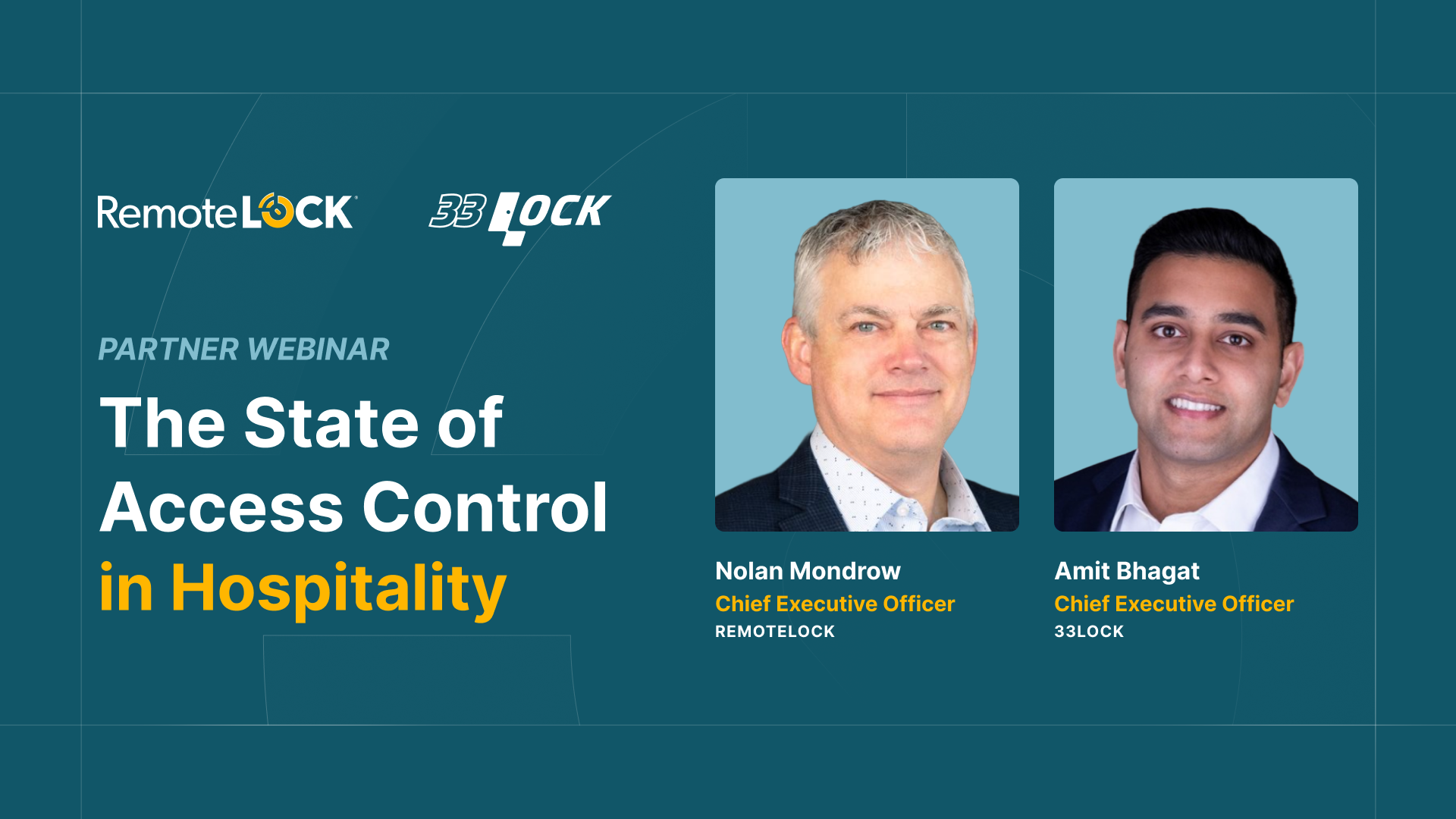
On-Demand Webinar | 33Lock and RemoteLock on access control in independent hospitality
On-Demand Webinar | 33Lock and RemoteLock on access control in independent hospitality

Hospitality
Webinar
Beyond the Lock | The future of access control in independent hospitality
Beyond the Lock | The future of access control in independent hospitality
Stay in the loop
Get the latest from RemoteLock and see what centralized access can do for your portfolio