When a Small Drip Becomes a Big Problem

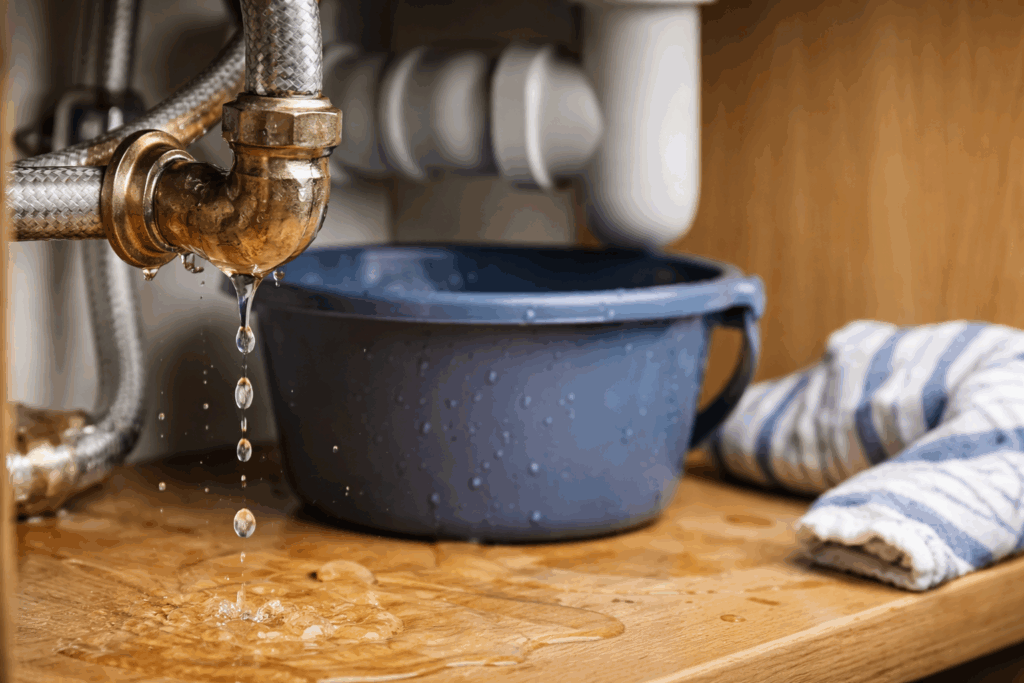
It usually starts quietly. A slow drip under a sink. A supply line behind a washer that loosens over time. There are no alarms and no visible damage at first. By the time someone notices, water has already soaked through cabinets, drywall, and flooring — a loss that could cost thousands or even tens of thousands to repair. Not to mention the headaches associated with the home repair, loss of income at the rental property, and more.
For multifamily operators, these moments rarely stay small. Undetected leaks don’t just damage one unit. In taller buildings, water moves quickly and almost always downward, spreading into multiple units, common areas, and building systems before maintenance ever gets the call.
The Real Financial Impact of Water Damage
Water damage is one of the most expensive and disruptive incidents a property can face. Industry estimates often place the average cost of a single water damage claim between $10,000 and $25,000, with severe incidents in mid-rise and high-rise buildings climbing well beyond that when multiple units are involved.
Those figures also leave out the hidden costs that property teams feel most acutely. Repairs often require opening walls and ceilings, relocating residents, pausing leasing activity, and coordinating several vendors at once. Insurance deductibles increase, premiums follow, and teams can lose weeks managing remediation instead of focusing on daily operations. One missed leak can easily grow into a six-figure problem.
Why Tall Buildings Face Higher Risk

Height amplifies damage, and gravity does the rest. In a multi-story building, water rarely stays contained to a single unit. A leak on an upper floor can damage several units below before anyone realizes there is an issue.
These properties also depend on more complex plumbing systems with higher pressure, more connections, and more potential points of failure. Without early detection, even a minor issue can escalate quickly and affect a large portion of the building.
The Operational Toll on Property Teams
Beyond repair costs, leaks create operational disruption that ripples across teams. This kind of disruption mirrors many of the daily challenges outlined in RemoteLock’s broader approach to modern property operations for multifamily teams. Maintenance is pulled into emergency response mode, while property managers field frustrated calls from residents. Housekeepers and vendors adjust schedules on the fly, and leasing teams manage complaints, transfers, and vacant units tied up in repairs.
None of this work is planned, and none of it moves the property forward. Undetected leaks turn routine days into crisis management, adding stress and pulling attention away from proactive improvements.
How Smart Leak Detection Changes the Equation
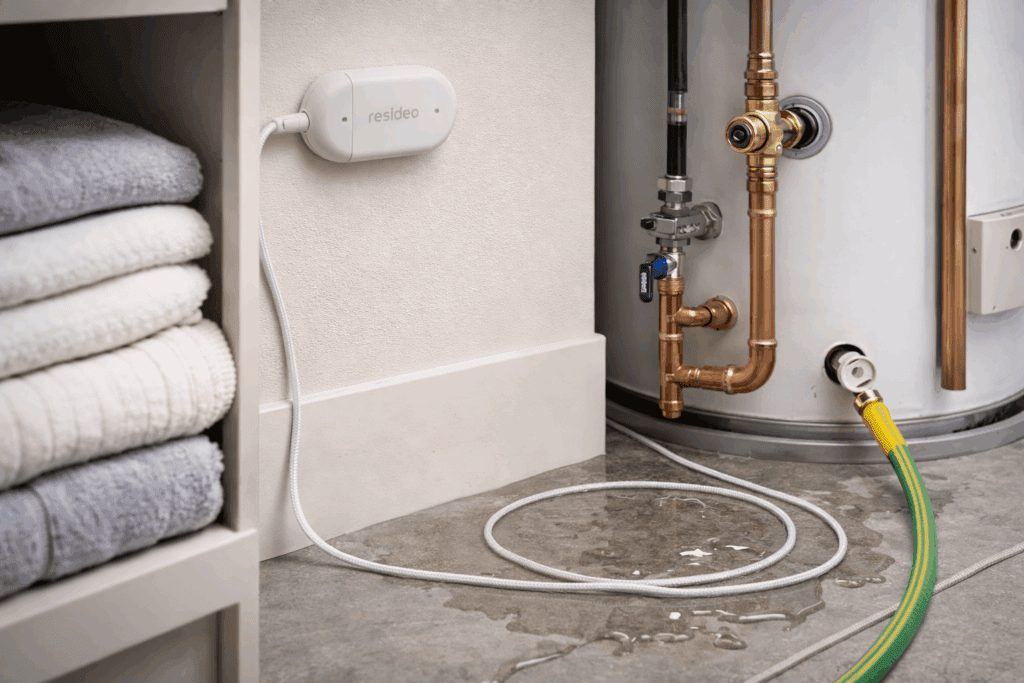
Smart leak detectors change the timeline entirely. Leak detection supports smarter property operations by calling attention to issues early, before damage spreads beyond the source. Instead of waiting for visible damage, sensors detect moisture the moment it appears and send alerts immediately.com/access-basics/what-is-a-leak-detector/) are designed to surface issues early, before damage spreads beyond the source. Instead of waiting for visible damage, sensors detect moisture the moment it appears and send alerts immediately. Maintenance teams can respond while the issue is still contained and before water spreads beyond the source.
In many cases, the fix is straightforward. A fitting gets tightened, a hose replaced, and the area dried out. What could have become a major repair stays a small work order, with costs measured in hundreds rather than tens of thousands. Speed is the real advantage, turning emergencies into manageable maintenance tasks.
Automatic Shutoff: Stopping Damage at the Source
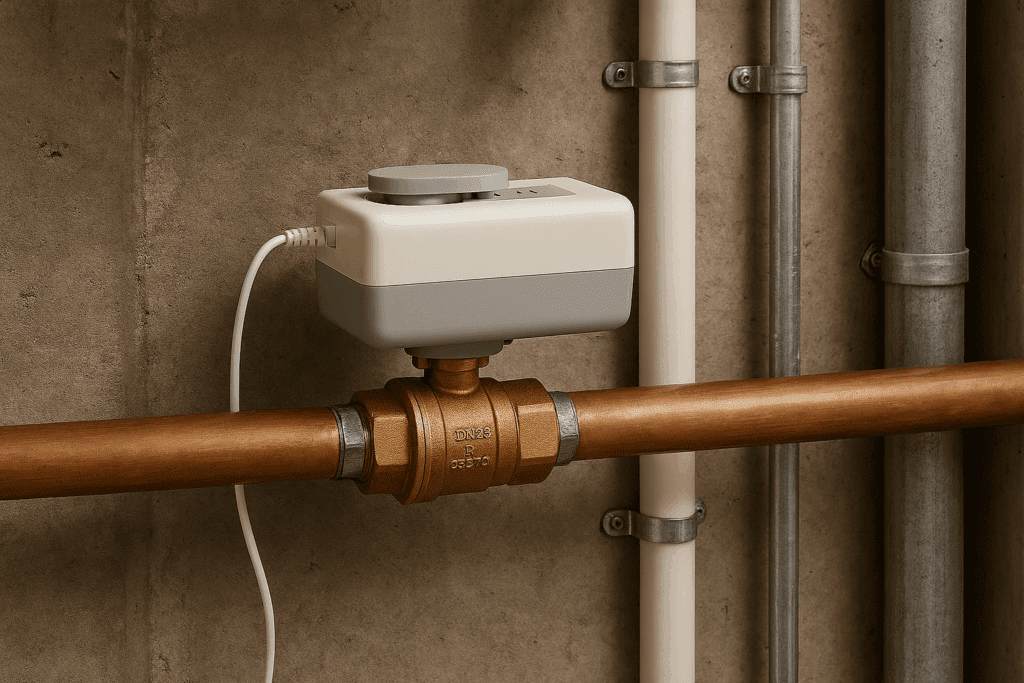
Some systems add another layer of protection with automatic water shutoff. Paired with leak detection, automatic shutoff helps properties move from reactive response to proactive prevention. When a significant leak is detected, the water supply shuts off automatically, even if the issue happens overnight or during a holiday.
In tall buildings, this can be the difference between a single affected unit and damage cascading across multiple floors. Automatic shutoff limits exposure, protects residents, and reduces liability while giving teams confidence that problems won’t spiral when no one is on-site.
Estimating the Savings
The financial case for early detection is straightforward. Avoiding just one major water damage incident per year can allow smart leak detection to pay for itself many times over. Preventing a $20,000 claim through early intervention delivers immediate savings, while stopping a multi-unit incident can protect hundreds of thousands of dollars in long-term costs.
Over time, fewer claims may also support lower insurance premiums and stronger risk profiles. Just as important are the operational savings, with fewer emergencies, less disruption, and more predictable days for property teams.
A Smarter Way to Protect Buildings and Budgets
Leaks are inevitable. Aging infrastructure, pressure changes, and everyday wear make them part of property operations. What’s optional is allowing those leaks to go unnoticed until damage spreads.
Smart leak detectors and automatic shutoff systems give operators visibility and control where it matters most. As part of a broader approach to using smart technology across multifamily properties, they help teams protect buildings, residents, and revenue. For tall buildings especially, early detection isn’t a nice-to-have. It’s a practical layer of protection that turns one of the most expensive risks in property management into a manageable one.
RemoteLock
Advanced Access Control and More
RemoteLock has been automating access control and improving on-site property operations efficiencies across multiple industries, including vacation rental and multifamily, for more than ten years. As a leading access-centered property operations software platform provider with more than 10,000 customers in 75+ countries, RemoteLock helps property managers enable, control, and automate access and climate control across their portfolio. RemoteLock’s platform saves property managers time and money through the elimination of tasks for onsite staff and helps scale businesses with greater confidence. It is differentiated by its dozens of integrations with applicable hardware and business software systems for an easy-to-use, turn-key solution.