How Device Visibility Gives Property Teams Control From Anywhere



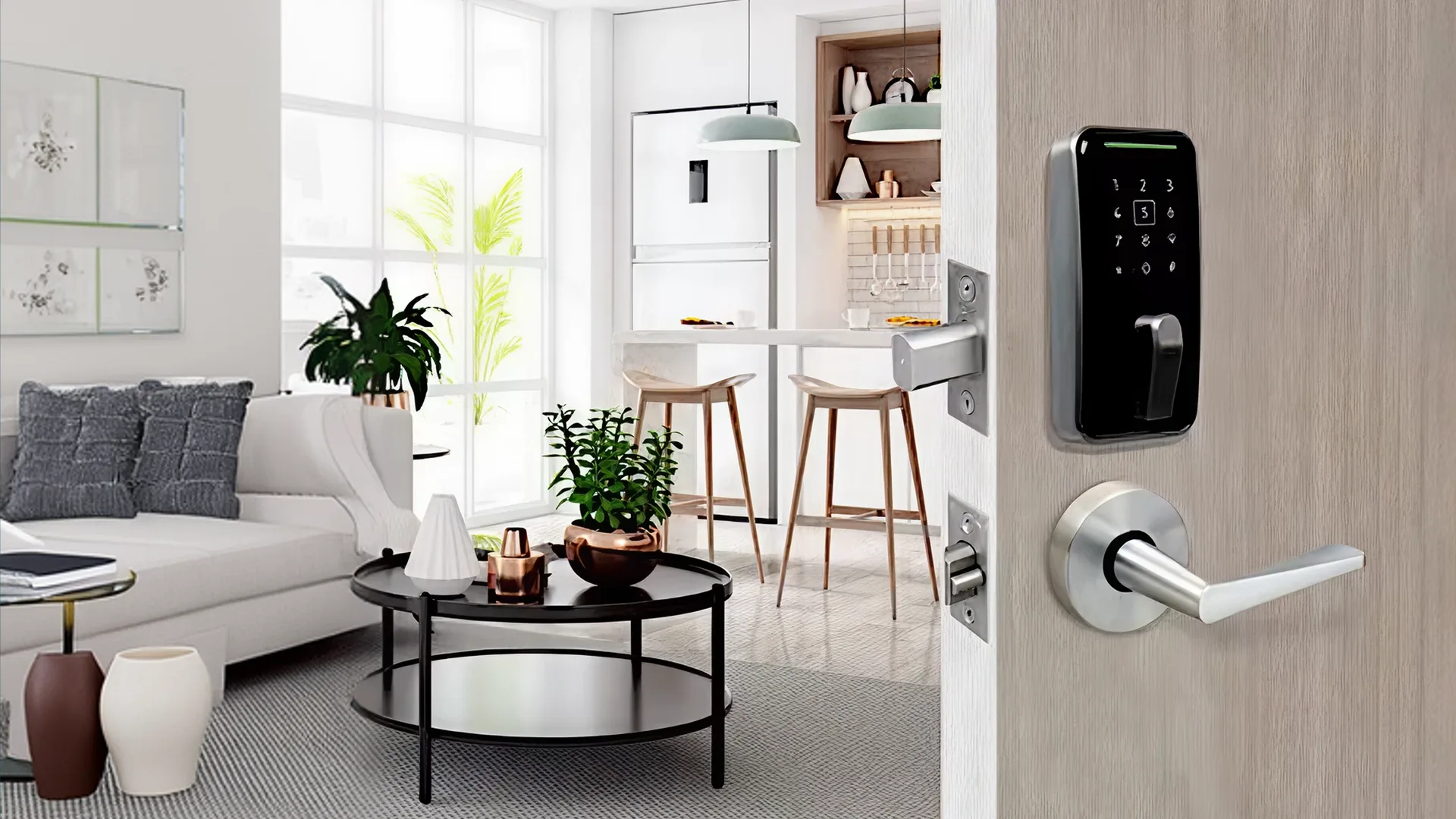
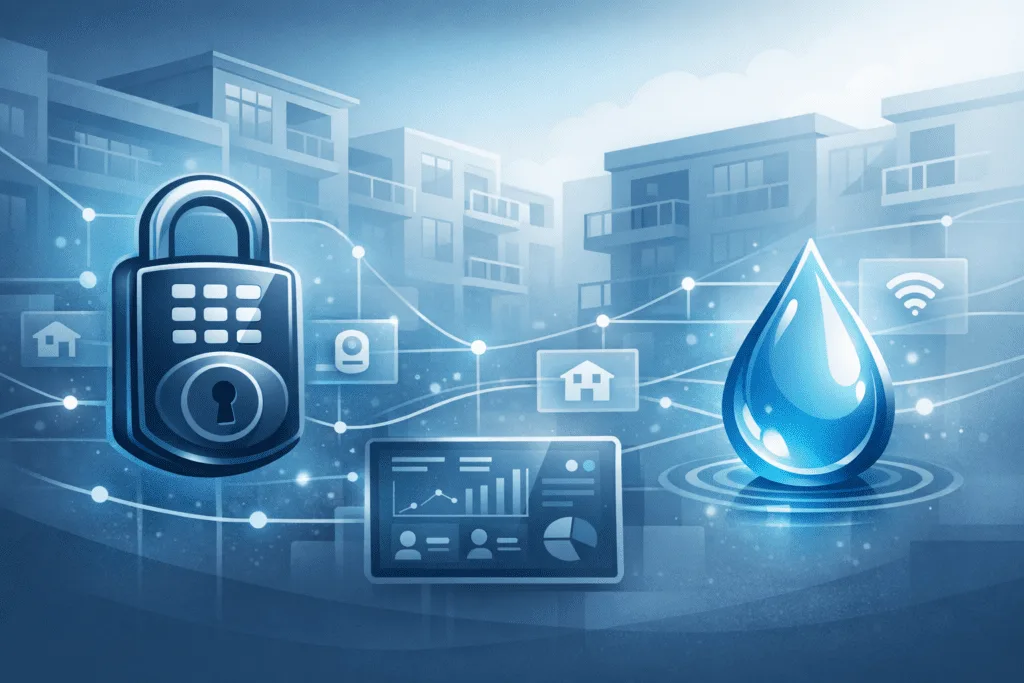
A resident reaches out because their smart lock “isn’t responding.” At the same time, an alert quietly fires from a leak sensor two buildings away. In the past, this simple combination of events could send a property team into a scramble: calling maintenance, walking the property to diagnose the lock issue, and hoping the leak alert wasn’t signaling something serious. These moments happen every week on multifamily and vacation rental properties, often stacking on top of each other and consuming far more time than teams can spare. But with modern device visibility, seeing the status and behavior of everything from locks to leak sensors in one place, teams get a different kind of day. One where they can understand and act on issues before they escalate, even if they’re not physically onsite.
A Clear View of Every Device, Across Every Unit
Most properties now have a mix of connected devices: smart locks on every door, leak sensors under sinks, thermostats managing energy use, Wi‑Fi hardware that keeps everything synced. Each one plays a role in smooth operations, yet historically these systems lived in their own worlds. Teams had to log in to separate dashboards, call vendors, or rely on residents to report problems. It wasn’t just inefficient, it kept teams reacting instead of anticipating.
Centralized visibility changes the dynamic. With a single platform showing whether a lock is online, whether a leak sensor has triggered, or whether access permissions have synced properly, property teams no longer have to wonder what’s going on inside the units they manage. They know, instantly. That clarity reshapes the workday. Instead of chasing small operational fires, teams spend more time solving problems before they grow and, more importantly, they get to redirect energy toward what they actually value: supporting residents, improving the guest experience, and keeping the property running smoothly.
Saving Time by Eliminating the Guesswork
Even on well‑run properties, much of the daily churn comes from simple but time‑consuming tasks. Think about a malfunctioning smart lock. Without visibility, a maintenance tech might walk across the property, test the lock manually, reset it, and hope the issue resolves. That’s a 20–30‑minute interruption for a task that might only require a remote check or a quick settings adjustment. When teams can confirm lock behavior in seconds, they cut out time spent walking, testing, and re‑testing. And because the platform shows whether a device is offline, low‑battery, jammed, or out of sync, teams know the exact cause before they ever consider rolling a truck.
Leak sensors tell a similar story. A slow drip under a sink can easily become a full‑scale repair if it goes unnoticed for a day or two. But when the alert appears instantly on a dashboard, paired with device history that distinguishes a single quick spike from a continuous leak, maintenance can respond early, often preventing any damage at all. The blog guidelines emphasize using grounded examples like this to show operational realities without drifting into hype, and this scenario is a perfect illustration of how visibility doesn’t just save time. It prevents problems altogether.
Even routine move‑ins become smoother. When teams can see that access permissions were properly applied to a new resident or upcoming vacation rental guest, they avoid those frantic “I can’t get into my unit” calls. They don’t have to reissue codes or interrupt their workflow to confirm whether a lock is responding. Instead, the entire experience becomes predictable. That predictability is where real time savings emerge, not from one dramatic improvement, but from dozens of small tasks that now take seconds instead of minutes.
Reducing Risks Before They Become Emergencies
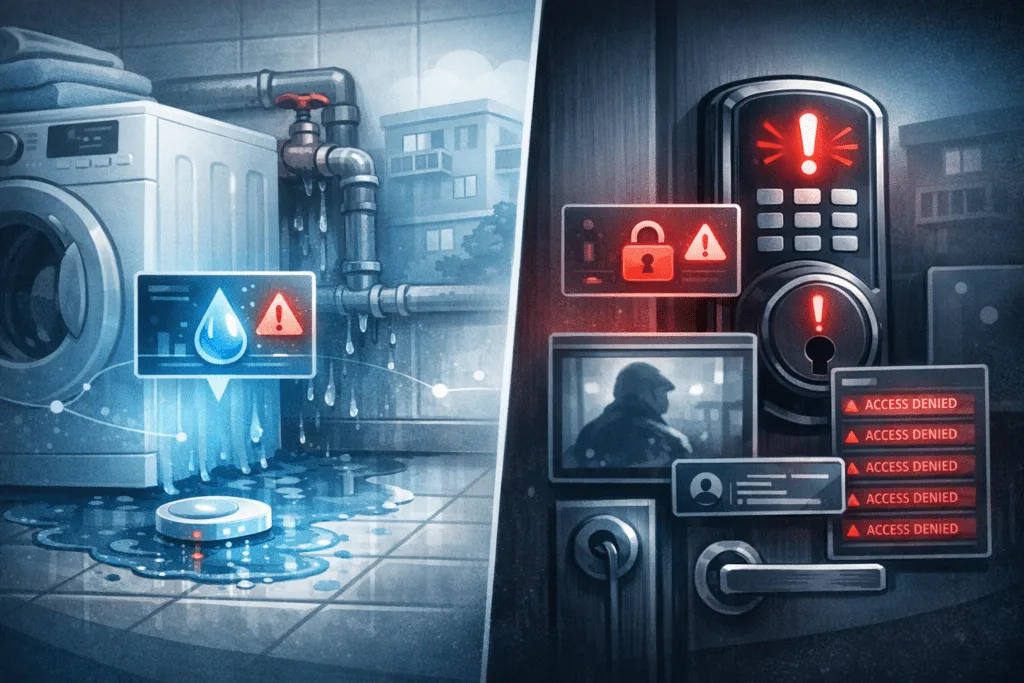
Device visibility isn’t only about convenience; it’s also one of the strongest risk‑reduction tools a property can invest in. Water damage, for instance, is one of the most expensive and disruptive issues a property manager can face. The updated voice‑and‑tone guidance encourages small narrative moments like “one slow leak behind a washing machine” to show that these aren’t abstract risks. They’re daily realities. A leak caught early by a sensor, especially when monitored through a central platform, means the difference between tightening a valve and replacing drywall across multiple units.
Smart lock visibility reduces risk in quieter ways. If a lock goes offline, teams know immediately and can resolve the issue long before it becomes a security concern. If a code expires unexpectedly and leaves a resident locked out late at night, staff can see the cause instantly and take action without making a trip across the property. And if suspicious activity patterns appear (like repeated unsuccessful entry attempts) the system makes those anomalies visible rather than burying them inside logs that no one has time to check manually. The guidelines emphasize clarity, human‑centered explanations, and avoiding jargon, which means these examples matter because they help explain technology in terms anyone can relate to.
Control From Anywhere, Not Just From the Office
One of the biggest shifts in modern property operations is the ability to manage issues remotely. When teams can see devices from anywhere, they no longer rely on being physically present to keep operations stable. A manager working from home can confirm that a lock update applied correctly. A maintenance tech on another part of the property can check leak sensor alerts without returning to the office. A regional manager overseeing multiple buildings can view high‑level device health and step in proactively when something looks off.
This mobility doesn’t replace the human part of the job, it supports it. As the voice guidelines reinforce, RemoteLock content should be authoritative but human, grounded in day‑to‑day realities rather than abstract promises. Visibility empowers teams to spend more time on the human work: responding to residents, improving hospitality, and maintaining spaces. When technology handles the monitoring, tracking, and early detection, people can handle the relationships and higher‑value tasks that strengthen a property’s reputation.
The Bigger Takeaway
Device visibility is more than a dashboard feature, it’s a shift in how property teams operate. By seeing what’s happening across locks, leak sensors, and other connected devices, teams save time, prevent costly breakdowns, and maintain control no matter where they are. And when the work feels less like guessing and more like knowing, property operations become steadier, more efficient, and far more manageable.

RemoteLock has been automating access control and improving on-site property operations efficiencies across multiple industries, including vacation rental and multifamily, for more than ten years. As a leading access-centered property operations software platform provider with more than 10,000 customers in 75+ countries, RemoteLock helps property managers enable, control, and automate access and climate control across their portfolio. RemoteLock’s platform saves property managers time and money through the elimination of tasks for onsite staff and helps scale businesses with greater confidence. It is differentiated by its dozens of integrations with applicable hardware and business software systems for an easy-to-use, turn-key solution.
Access that Works Everywhere
One flexible platform built to support modern properties, no matter who needs access or how your portfolio scales

Interested in learning more?
Explore blogs, webinars, and videos related to what you just read
.webp)

A smarter approach to access in Europe's mixed-use properties

Why deep PMS integrations are the key to smarter access control

What Are Backup PINs — and Why Do They Matter?
Short section heading goes here
Suspendisse varius enim in eros elementum tristique.